Retail businesses depend on reliable power to manage billing, process payments, track inventory, secure stores, and maintain smooth customer service. However, power interruptions, voltage fluctuations, and unexpected outages can disrupt these activities. Even a short interruption may delay transactions, affect digital systems, and create operational challenges.
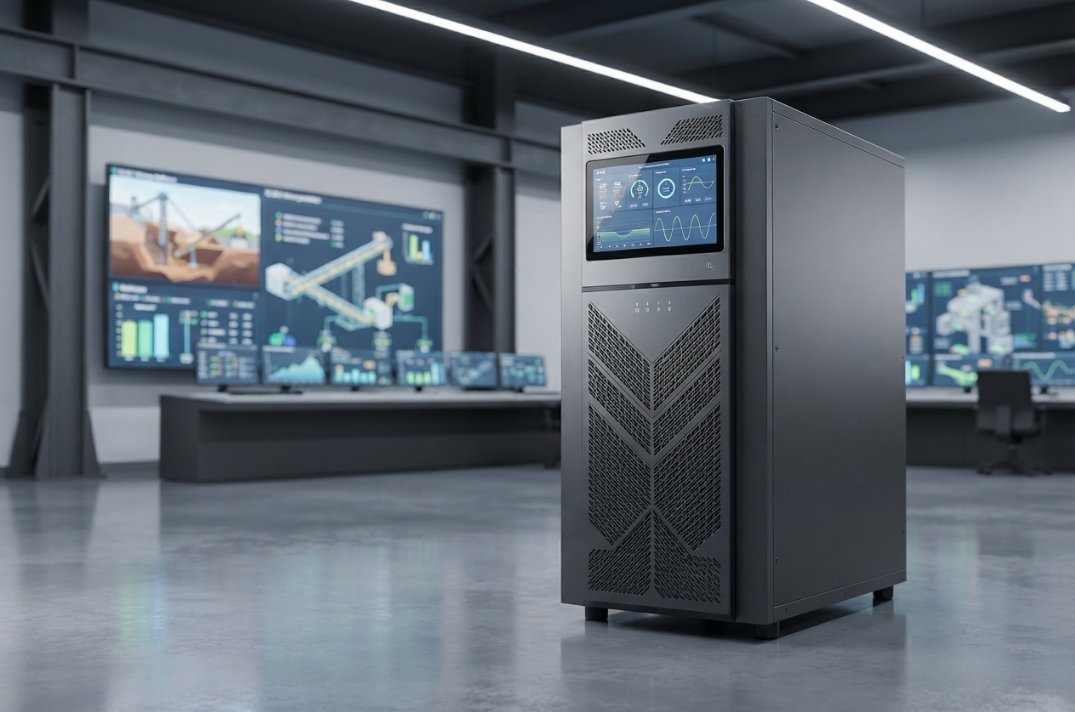
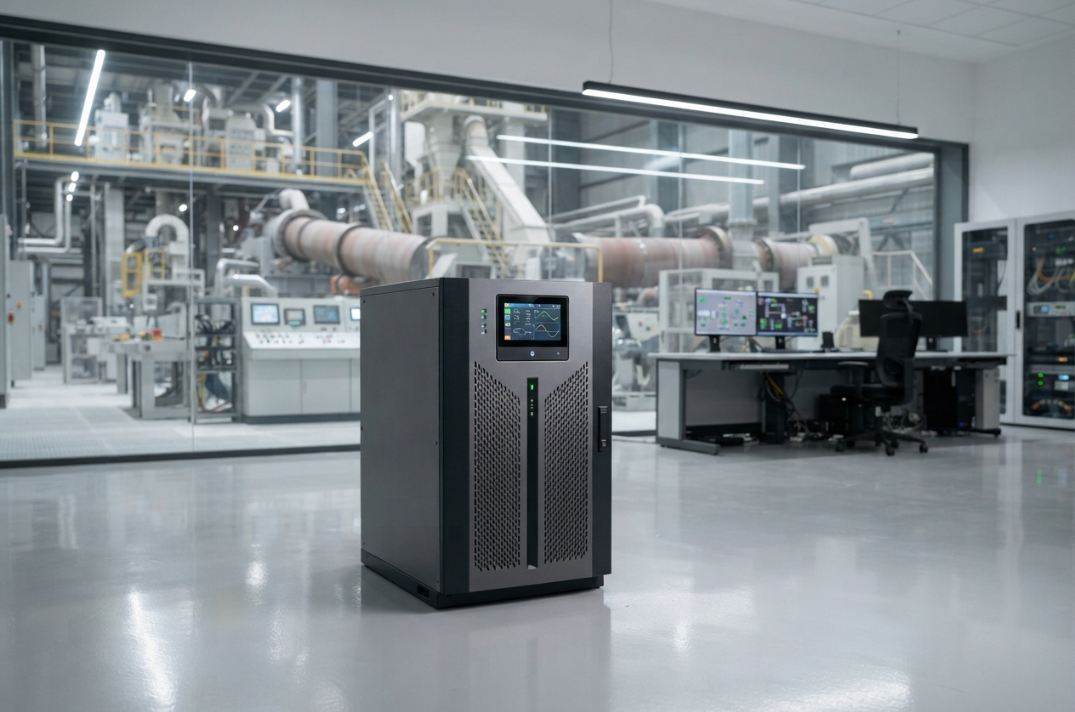
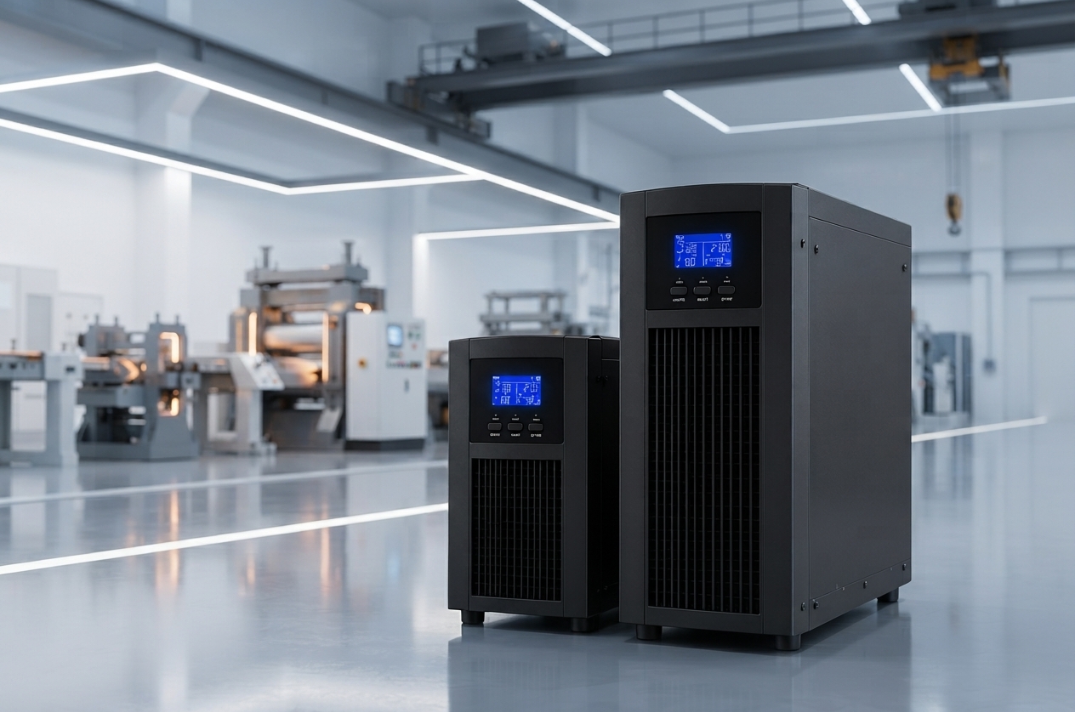
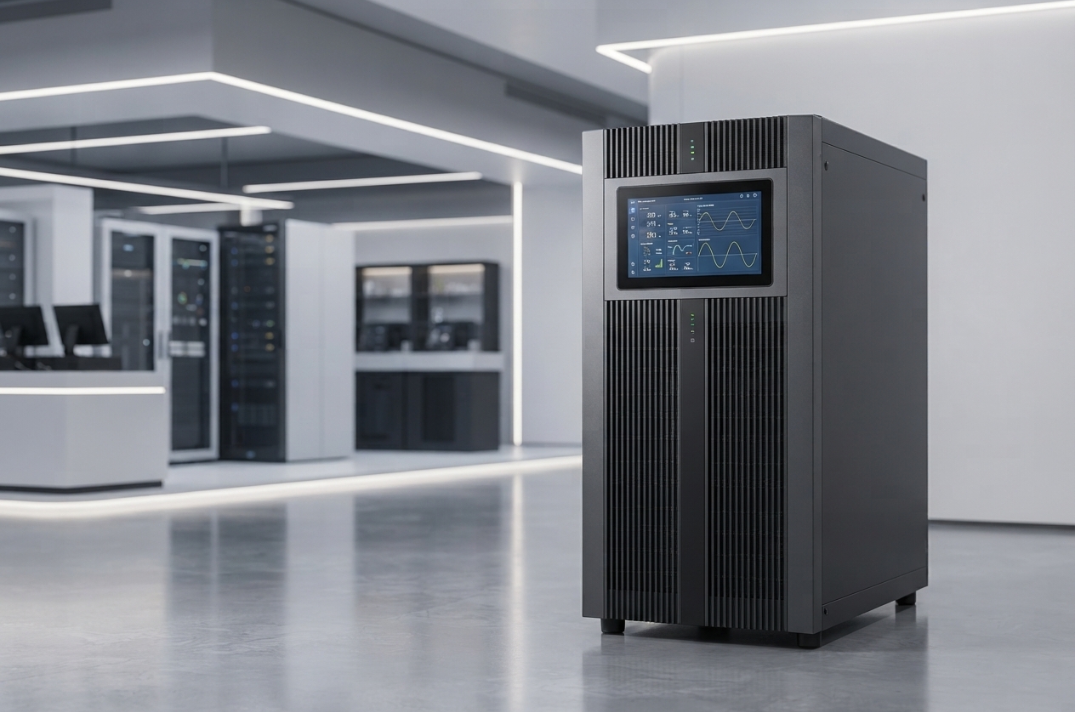
A 3 Phase Online UPS for Retail Businesses helps protect critical electrical and electronic equipment by providing a stable power supply during disturbances. It is particularly useful for large retail stores, supermarkets, shopping malls, distribution centres, and retail facilities with interconnected IT systems.
Unlike basic backup solutions, a three-phase online UPS is designed for applications that require consistent power quality and dependable backup. Businesses can select a suitable configuration based on their connected loads, operating requirements, and expected backup duration.
In this guide, we explore seven key benefits of a 3 phase online UPS and explain how it can support reliable retail operations.
What Is a 3 Phase Online UPS?
A three-phase online uninterruptible power supply (UPS) is a power protection system designed to support compatible electrical loads that require three-phase power. In an online UPS, the load normally receives power through a conversion process that helps isolate connected equipment from many incoming supply disturbances.
For retail businesses, the system can protect selected critical equipment, including servers, networking devices, point-of-sale infrastructure, security systems, and back-office computers. The actual capacity and configuration depend on the equipment connected to the UPS.
Businesses can explore three-phase online UPS solutions to understand the available configurations for their power protection requirements.
1. Minimises Billing and Payment Disruptions
Fast and reliable transactions are essential for retail businesses. Cash registers, point-of-sale (POS) terminals, payment devices, and billing computers help employees serve customers efficiently. However, a sudden power failure can interrupt these systems and delay checkout operations.
A 3 phase online UPS can support the critical electrical infrastructure behind retail billing systems. With an appropriately designed setup, connected equipment can continue operating during a power interruption for the available backup period.
This helps retailers reduce transaction delays and maintain a more consistent checkout experience. It can also provide staff with time to complete essential tasks or follow an orderly shutdown procedure when an outage continues.
For example, a supermarket can use UPS protection for its billing servers, network switches, and selected checkout equipment. The system must be sized according to the actual load rather than the store’s total electrical demand.
Retailers evaluating different online UPS systems should consider the equipment’s power requirements, runtime expectations, and operating environment before selecting a solution.
2. Protects Retail IT Infrastructure
Modern retail operations rely on interconnected computers, servers, and applications. These systems support sales reporting, customer records, product databases, employee workflows, and store management.
An unexpected shutdown can interrupt access to important applications. It may also create a risk of unsaved work or data corruption, depending on the equipment and software involved.
A three-phase online UPS can provide backup power to selected IT loads and help maintain a stable supply during electrical disturbances. Consequently, retailers can reduce avoidable interruptions to essential computing operations.
The system can support critical infrastructure such as:
- Retail application servers
- Back-office computers
- Inventory management systems
- Database equipment
- Network-attached storage
- Store management workstations
For broader infrastructure planning, retailers can review IT infrastructure solutions and identify the systems that require continuous power protection.
3. Supports Inventory and Stock Management
Accurate inventory management is essential for supermarkets, department stores, warehouses, and multi-location retail chains. Businesses use digital systems to track stock levels, update product records, manage replenishment, and coordinate deliveries.
When a power interruption affects the network or equipment supporting these systems, staff may temporarily lose access to inventory information. This can slow down stock checks, receiving activities, and order processing.
A properly configured 3 phase online UPS can keep selected inventory servers, network devices, and workstations running during short outages. As a result, employees may continue essential stock-related activities while the main power supply is unavailable.
For retailers with multiple branches, reliable power protection can also support the infrastructure used to exchange information between stores and central offices. However, UPS backup alone cannot guarantee application availability; network connectivity, software reliability, and server redundancy also matter.
Businesses should therefore assess inventory systems alongside their wider networking and IT infrastructure requirements.
4. Improves Protection Against Power Disturbances
Retail equipment can be affected by voltage variations, electrical noise, and supply interruptions. These disturbances may cause equipment resets, unexpected shutdowns, or interruptions to sensitive electronic systems.
An online UPS continuously supplies connected loads through its power-conversion stages. This design helps isolate supported equipment from many incoming power disturbances and provides a controlled transition to battery operation when the input supply fails.
For retail businesses, this can be particularly valuable for sensitive computing, communications, monitoring, and control equipment.
However, the level of protection depends on the UPS design, installation quality, earthing, distribution arrangement, and connected load. Surge protection and other electrical safeguards may also be necessary.
Retailers with demanding power requirements can compare systems such as the HPI 33 EVO three-phase UPS to assess whether a particular capacity range matches their application.
5. Helps Maintain Security and Surveillance Systems
Retail stores need reliable security infrastructure to protect merchandise, employees, customers, and business assets. CCTV cameras, recording systems, access control devices, and security monitoring workstations all depend on electrical power.
If an outage affects these systems, a store may lose part of its surveillance or monitoring capability. This can create operational and security concerns, especially in large stores and distribution facilities.
A three-phase UPS can support the central equipment and other compatible security loads selected for backup. Depending on the design, these may include surveillance servers, recording devices, network switches, and monitoring computers.
Nevertheless, every camera and field device must have an appropriate power arrangement. Protecting only the central server will not keep cameras operating if their own power supplies fail.
Retailers should identify critical security loads, calculate their combined demand, and establish the required runtime before designing the UPS installation.
6. Supports Digital Signage and Customer-Facing Technology
Retail environments increasingly use digital displays, electronic promotional boards, customer information screens, and interactive systems. These technologies help businesses communicate prices, promotions, product details, and service information.
A power interruption can switch off displays or interrupt the systems controlling their content. This may affect customer communication and create an inconsistent shopping experience.
A suitably designed UPS installation can support selected display controllers, media players, network equipment, and other compatible electronics. Retailers can prioritise the systems that are operationally important rather than connecting every display to the same backup source.
Large displays and other high-demand equipment require careful load assessment. Their power consumption, startup characteristics, and desired backup duration should be considered during system selection.
For retailers upgrading their technical environment, IT accessories and related equipment can form part of the wider infrastructure assessment.
7. Improves Operational Continuity and Scalability
Retail businesses often expand by adding checkout counters, new departments, warehouses, or additional branches. As operations grow, the number of servers, network devices, security systems, and back-office applications may also increase.
A suitable three-phase online UPS can provide a structured approach to protecting these critical loads. Depending on the selected design, businesses may choose systems that support future capacity planning, maintenance requirements, and changes in demand.
For example, retailers with larger critical loads may evaluate the Keor HPE three-phase UPS or the Keor T EVO three-phase UPS as part of their technical assessment. The appropriate model depends on the actual load, required capacity, installation conditions, and available product specifications.
Businesses that need a modular approach can also investigate the Easy UPS 3-Phase Modular range. Modularity may help with capacity planning and maintenance, but its suitability depends on the system configuration and the retailer’s redundancy requirements.
A well-planned UPS installation can therefore support business growth while helping protect the equipment that keeps daily retail operations running.
How to Choose the Right 3 Phase Online UPS for Retail Businesses
Selecting a UPS requires more than estimating the total electricity consumption of a store. Retailers should identify which equipment must remain operational during an outage and determine the capacity required to support it safely.
Consider the following factors before making a purchase.
Calculate the Critical Load
List the equipment that needs backup, including servers, networking devices, selected POS systems, security equipment, and back-office computers. Calculate the combined load and account for power factor, future expansion, and manufacturer recommendations.
Do not automatically include every electrical load in the store. Large HVAC systems, elevators, refrigeration equipment, and other high-power loads may require separate engineering and dedicated power arrangements.
Determine the Required Backup Time
Backup duration depends on the connected load, battery configuration, battery condition, and operating conditions. Decide whether the system must support equipment for a brief interruption, provide enough time for an orderly shutdown, or maintain critical operations until another power source becomes available.
Where generators are installed, coordinate the UPS and generator specifications to ensure compatible operation.
Check Capacity and Redundancy
Choose a UPS capacity that meets current requirements while allowing for realistic future growth. Also assess whether a single system is sufficient or whether a redundant configuration is justified for critical retail operations.
Products such as the Galaxy VS three-phase UPS may be worth evaluating when reviewing systems for suitable applications. Confirm the exact electrical specifications, regional availability, and compatibility before making a decision.
Consider Space, Heat, and Maintenance
Retail back offices and technical rooms may have limited space. Check equipment dimensions, ventilation, ambient temperature, battery placement, service access, and maintenance requirements before installation.
A UPS also needs a suitable maintenance plan. Regular inspections and battery checks help identify issues before they cause unexpected downtime.
Evaluate Purchase and Rental Options
Some retailers may prefer purchasing a system, while others may need temporary capacity during renovations, store launches, or infrastructure upgrades. Depending on availability and the required configuration, online UPS rental services may be worth considering.
Businesses operating in the Delhi NCR region can also review three-phase online UPS solutions in Gurgaon when exploring local support and installation requirements.
Why Retail Businesses Should Plan Power Protection Proactively
A UPS should form part of a broader business continuity strategy. Retailers should document critical loads, define acceptable downtime, maintain backup procedures, and periodically test their arrangements.
For stores that depend on centralised applications or shared data, data centre solutions may also be relevant to the wider infrastructure plan. The objective is to protect the equipment and services that have the greatest impact on sales, security, and daily operations.
Bansal Hi-Tech can be considered as a starting point for evaluating power protection and related IT infrastructure requirements. Retailers should confirm product specifications and obtain a load assessment before selecting a system.
Frequently Asked Questions
1. Why does a retail business need a 3 phase online UPS?
A retail business may need a three-phase online UPS to protect critical IT equipment, servers, networking devices, selected billing infrastructure, and security systems. It can help reduce interruptions caused by power failures and disturbances when the connected loads are correctly designed and sized.
2. Can a 3 phase online UPS support POS and billing systems?
Yes, a properly sized UPS can support compatible POS equipment, billing servers, network switches, and selected checkout devices. The design should account for the load at each checkout point and the required backup duration.
3. How much backup time does a retail UPS provide?
Backup time varies according to the UPS capacity, connected load, battery configuration, battery condition, and operating environment. Retailers should calculate the required runtime based on their operational priorities rather than assuming a standard duration.
4. Can one UPS protect an entire retail store?
Not necessarily. A UPS is usually selected for defined critical loads. Large refrigeration systems, HVAC equipment, elevators, and other high-power loads may require separate power arrangements and dedicated engineering.
5. How should retailers maintain a three-phase online UPS?
Retailers should follow the manufacturer’s maintenance schedule, inspect the system and batteries, monitor alarms, keep ventilation clear, and arrange qualified service when required. Periodic checks help identify developing problems before they affect critical operations.
Conclusion
A 3 Phase Online UPS for Retail Businesses can help maintain reliable power for critical billing infrastructure, IT systems, inventory platforms, security equipment, and customer-facing technology. Its value depends on selecting the right capacity, protecting the correct loads, and establishing a practical maintenance plan.
By assessing power requirements and planning for future growth, retailers can reduce avoidable interruptions and improve operational continuity. Before choosing a system, evaluate the connected equipment, required runtime, redundancy needs, installation environment, and technical specifications to ensure the solution matches the store’s requirements.
Bansal Hi-Tech can be part of that evaluation when retailers explore three-phase UPS options and related IT infrastructure support.