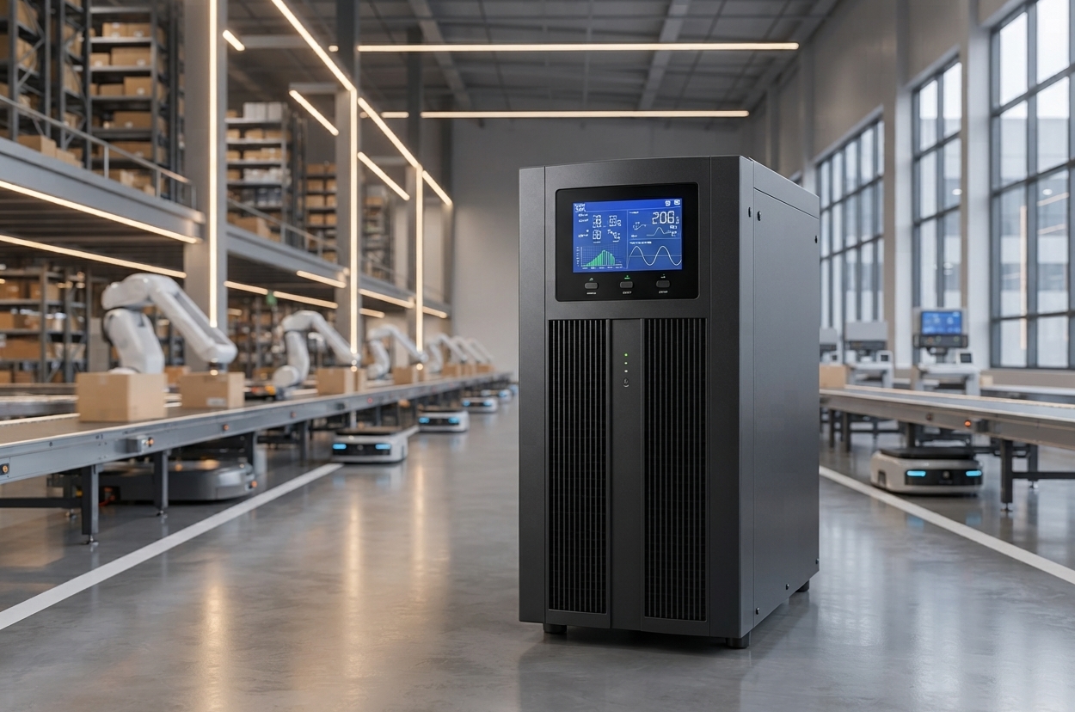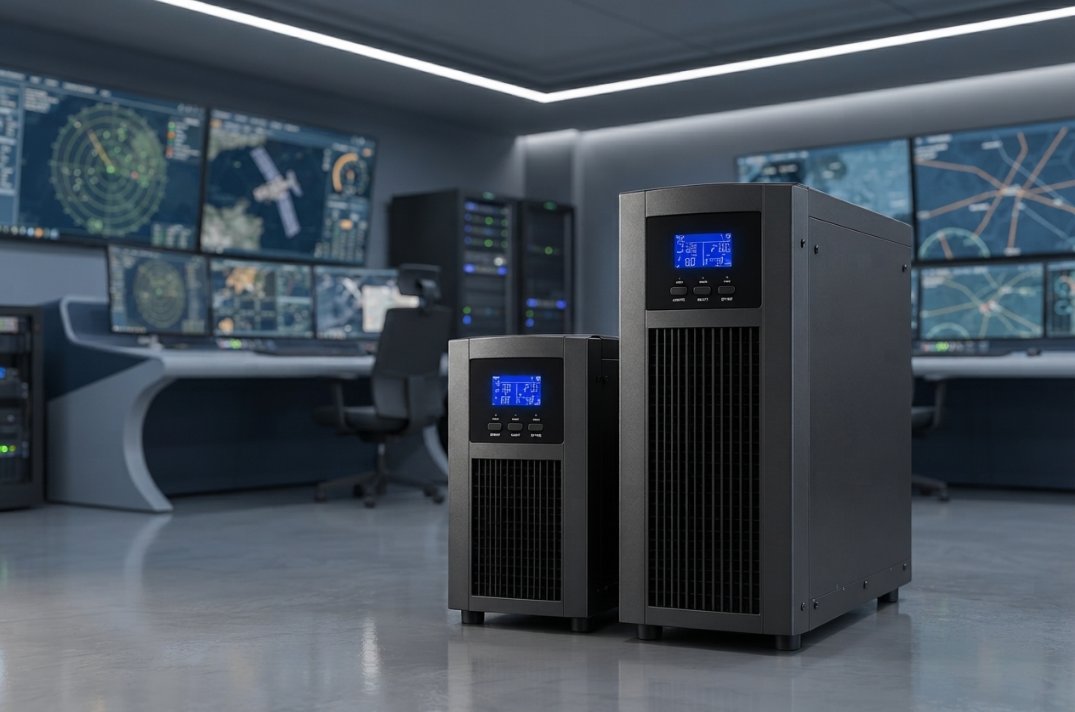
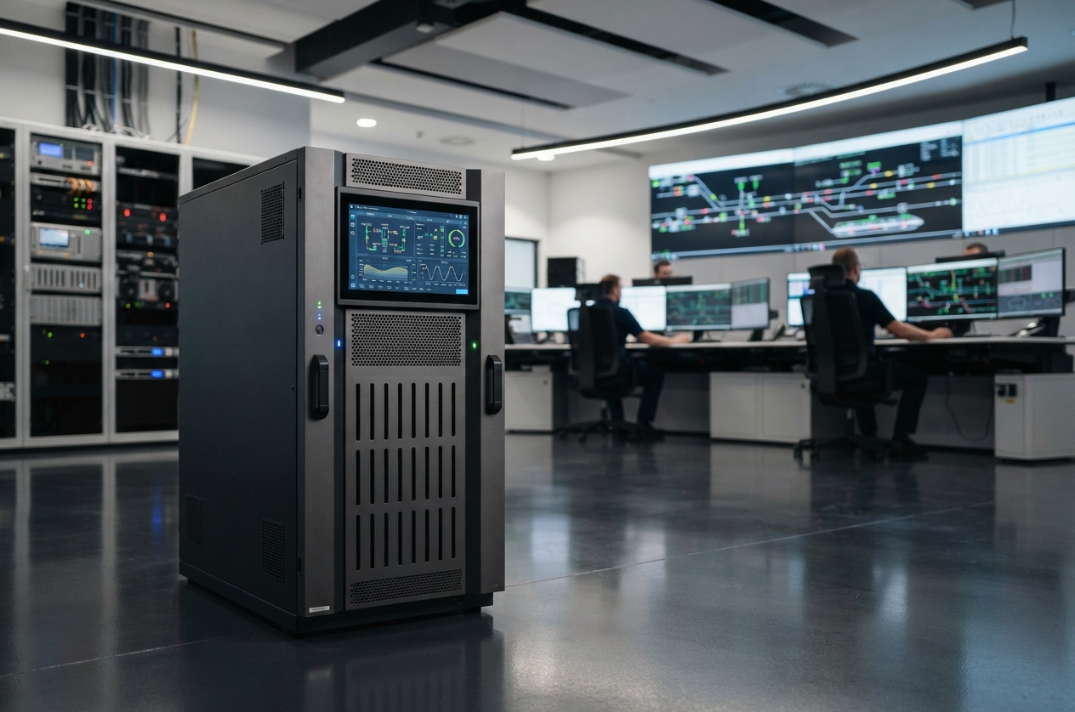
A 3 Phase Online UPS for Railways helps maintain a reliable power supply for critical railway equipment. Railway stations, control rooms, communication networks, and ticketing systems depend on stable electricity. Therefore, even a short power failure can interrupt essential services and affect daily operations.
However, railway infrastructure faces several power challenges. Voltage fluctuations, sudden outages, and electrical disturbances can affect sensitive electronic devices. A suitable three-phase online UPS helps protect connected equipment and provides battery backup during power interruptions.
Bansal Hi-Tech offers power protection solutions that organisations can assess according to their operational needs. By choosing the right system, railway operators can improve power continuity for selected critical loads.
In this article, we explain 10 key benefits of a 3 Phase Online UPS for Railways and explore how it can support modern railway infrastructure.
What Is a 3 Phase Online UPS for Railways?
A three-phase online UPS supplies conditioned power to connected equipment. It normally uses a power-conversion process to help protect sensitive loads from disturbances in the incoming electricity supply.
Railway infrastructure includes communication devices, IT systems, control room equipment, and passenger information systems. Each application has different power requirements. Therefore, railway operators must identify critical loads before selecting a UPS.
Moreover, the required capacity depends on the equipment’s power consumption, backup time, battery configuration, and redundancy needs. Safety-critical railway applications also require compliance with the relevant railway standards.
Organisations can explore three-phase online UPS solutions to understand the available categories of power protection equipment.
10 Key Benefits of a 3 Phase Online UPS for Railways
1. Supports Railway Signalling Electronics
Railway signalling systems help manage train movements and maintain safe railway operations. These systems may use electronic controllers, monitoring devices, and communication equipment.
A suitable UPS can support designated signalling electronics when the approved system design permits it. As a result, connected equipment can continue operating during short power interruptions.
However, railway signalling is safety-critical. A general-purpose UPS does not automatically meet railway signalling requirements. Railway engineers must confirm the necessary certifications, safety standards, and system compatibility before selecting equipment.
2. Improves Railway Communication Systems
Railway staff depend on communication systems to coordinate operations across stations, control rooms, and maintenance facilities. These systems may include network switches, routers, communication servers, and other electronic devices.
A three-phase online UPS can provide backup power to selected communication equipment. Consequently, it can reduce the risk of unexpected shutdowns during a power failure.
In addition, stable power can help connected equipment operate more reliably. Organisations should assess their communication loads and backup requirements before choosing a suitable online UPS system.
3. Helps Maintain Control Room Operations
Railway control rooms use computers, monitoring displays, networking equipment, and operational applications. Staff depend on these systems to monitor railway activities and coordinate responses.
A properly sized UPS can maintain power to supported control room electronics during an outage. Furthermore, battery backup gives staff time to respond to the interruption or transfer the load to an approved alternative supply.
For suitable installations, railway operators can assess products such as the HPI 33 EVO 10–40 kW three-phase UPS. The final selection must match the connected load and verified product specifications.
4. Protects Railway IT Infrastructure
Modern railway operations rely on IT systems for administration, databases, internal applications, and operational reporting. Servers and networking devices may lose data or shut down unexpectedly during a power failure.
A suitable UPS helps keep supported IT equipment running during short interruptions. It can also give administrators time to save work and perform an orderly shutdown.
Meanwhile, railway operators should consider future expansion when planning their power protection. A review of IT infrastructure solutions can help identify related requirements for servers, storage, and network equipment.
5. Supports Passenger Information Systems
Passengers rely on digital displays and announcement systems for train schedules, platform information, and service updates. These services often depend on display controllers, computers, and communication networks.
A UPS can help maintain power to these connected components during an outage. As a result, passenger information services may remain available for longer, depending on the system design.
However, backup coverage depends on the equipment connected to the UPS. Railway operators should assess display controllers, network devices, and announcement equipment separately to determine their individual power needs.
6. Helps Maintain Ticketing and Reservation Services
Railway ticketing systems use computers, servers, payment terminals, and network equipment. Power interruptions can affect transactions and reduce service availability.
A three-phase online UPS can support selected ticketing servers and other critical infrastructure. For smaller ticket counters, a dedicated single-phase UPS may provide a more suitable solution.
In addition, temporary power protection may be useful during upgrades or infrastructure projects. Organisations can review online UPS rental options when they need short-term support. They should confirm the available capacity, installation requirements, and rental terms before proceeding.
7. Improves Railway Data Centre Reliability
Railway data centres may host databases, operational applications, storage systems, and network services. These systems support several important railway functions, so unexpected downtime can affect multiple services.
A three-phase online UPS can supply conditioned power to supported servers, storage devices, and networking equipment. Moreover, a properly designed redundant UPS arrangement can improve resilience and support maintenance activities.
Railway operators should also coordinate the UPS with generators, distribution equipment, cooling systems, and monitoring tools. A review of data centre solutions can help organisations plan these wider infrastructure needs.
8. Supports CCTV and Security Monitoring
Railway stations, platforms, depots, and transport facilities use CCTV systems to support security monitoring. These systems may include cameras, network switches, recording servers, and monitoring consoles.
A UPS can maintain power to selected recording and monitoring equipment during a power interruption. Therefore, security teams may retain access to essential monitoring functions for the available backup period.
However, a UPS only supports equipment connected to its protected power supply. Operators should check the power needs of cameras, recording devices, and network equipment before deciding on the system capacity.
9. Helps Improve Power Quality
Sensitive railway electronics can experience problems when the incoming power supply fluctuates. Depending on its design and specifications, an online UPS can provide a more stable output for connected equipment.
For example, communication devices, IT systems, and monitoring electronics may benefit from conditioned power. In addition, battery backup helps maintain the supply during an outage.
For larger installations, operators can evaluate options such as the KEOR HPE 60–500 kW three-phase UPS or the KEOR T EVO 15–60 kVA three-phase UPS. Nevertheless, engineers must verify each product’s specifications and suitability for the intended application.
10. Supports Planned Maintenance and Continuity
Railway operators regularly inspect, maintain, and upgrade their infrastructure. During these activities, reliable power protection can help keep selected electronic systems available.
Regular UPS maintenance also improves the chances of detecting problems before an outage occurs. For example, teams should inspect batteries, review alarms, test backup performance, and follow documented maintenance procedures.
Furthermore, modular UPS systems may help some organisations manage capacity expansion and maintenance. Railway operators can evaluate modular three-phase UPS systems when planning larger installations. They must confirm redundancy, compatibility, and maintenance arrangements before making a decision.
Common Railway Applications of a Three-Phase Online UPS
A three-phase online UPS may support different railway applications, depending on the load and approved design.
| Application | Equipment that may need backup |
|---|---|
| Signalling support | Approved signalling electronics and control devices |
| Communication | Network switches, routers, and communication servers |
| Control rooms | Computers, monitoring displays, and IT equipment |
| Ticketing | Servers, terminals, and network devices |
| Passenger information | Display controllers and announcement electronics |
| Data centres | Servers, storage, and networking equipment |
| Security monitoring | CCTV recording servers and monitoring consoles |
| Station administration | Computers and essential local IT systems |
For safety-related applications, railway operators must follow the relevant technical and regulatory requirements. A UPS does not automatically power an entire railway station, train traction equipment, or other high-power machinery. These loads require separate engineering assessments and suitable electrical systems.
How to Choose the Right 3 Phase Online UPS for Railways
Choosing the right UPS requires more than comparing power ratings. Railway operators should review several factors before purchasing a system.
Calculate the Critical Load
First, list every device that needs backup. Then, record its power consumption, operating conditions, and expected future growth. Separate critical equipment from loads that do not require uninterrupted power.
Decide the Backup Duration
Next, determine how long each connected load must operate during a power failure. Battery capacity should match the required runtime, system efficiency, and expected operating conditions.
Check Redundancy Requirements
Some railway applications need backup arrangements that reduce the risk of a single equipment failure. Therefore, engineers should assess redundancy, bypass arrangements, and alternative power sources.
Review the Installation Environment
Railway stations and depots may experience dust, heat, humidity, and limited installation space. Consequently, the UPS location should provide suitable ventilation, access, and environmental protection.
Confirm Technical Standards
Before purchasing, verify product specifications and compatibility with the connected equipment. Safety-critical railway systems may require specific approvals and a carefully designed power arrangement.
For additional guidance on railway safety and international railway standards, consult the International Union of Railways (UIC). Always confirm the regulations and standards that apply to the specific project and location.
Plan Battery Maintenance
Finally, establish a maintenance schedule. Regular inspections, battery tests, alarm checks, and runtime verification help teams assess whether the UPS can meet the required backup needs.
Why Consider Bansal Hi-Tech for Power Protection?
Bansal Hi-Tech offers power protection and IT infrastructure solutions that organisations can assess for their operational requirements. The right solution depends on the critical load, backup duration, installation conditions, and required level of resilience.
Railway contractors and infrastructure teams can explore three-phase online UPS products when reviewing potential options. However, they should confirm the product specifications and application suitability before making a final decision.
A proper assessment should include load calculations, battery runtime, redundancy, maintenance access, and relevant technical standards. This approach helps organisations select a power protection system that meets their actual requirements.
Frequently Asked Questions
1. What is a 3 Phase Online UPS for Railways?
A 3 Phase Online UPS for Railways provides conditioned power and battery backup to selected railway equipment. Common applications include IT infrastructure, communication systems, monitoring equipment, and approved control electronics.
2. Can a three-phase online UPS support railway signalling?
Yes, it may support designated signalling electronics when the complete system meets the applicable railway standards and approval requirements. Railway engineers must verify its suitability before using it in a safety-critical application.
3. Can a railway UPS power an entire railway station?
Not necessarily. Most UPS installations protect specific critical loads. Powering an entire station or high-power railway equipment requires a separate electrical assessment and a suitable system design.
4. How do railway operators calculate UPS capacity?
Operators should calculate the connected load, power factor, backup duration, battery capacity, redundancy requirements, and expected future demand. A qualified engineer should verify the final selection.
5. How long does a railway online UPS provide backup?
Backup time depends on the load, battery capacity, battery condition, and system efficiency. Therefore, operators should calculate the required runtime for the specific installation.
6. Why use an online UPS for railway IT systems?
An online UPS can provide conditioned power and battery backup to compatible IT equipment. As a result, it can help reduce exposure to certain power disturbances and support continuity during short outages.
7. Does every railway application need a three-phase UPS?
No. Smaller devices may work better with dedicated single-phase UPS systems. Larger installations may need a three-phase UPS, depending on the load and design requirements.
Conclusion
A 3 Phase Online UPS for Railways can help protect critical electronic infrastructure across communication systems, control rooms, ticketing services, data centres, and security monitoring facilities.
However, every application has different power requirements. Railway operators should assess the critical load, backup duration, redundancy, environmental conditions, and applicable standards before selecting a UPS.
With careful planning and suitable equipment, organisations can improve power continuity for essential railway electronics and support more reliable transportation operations.