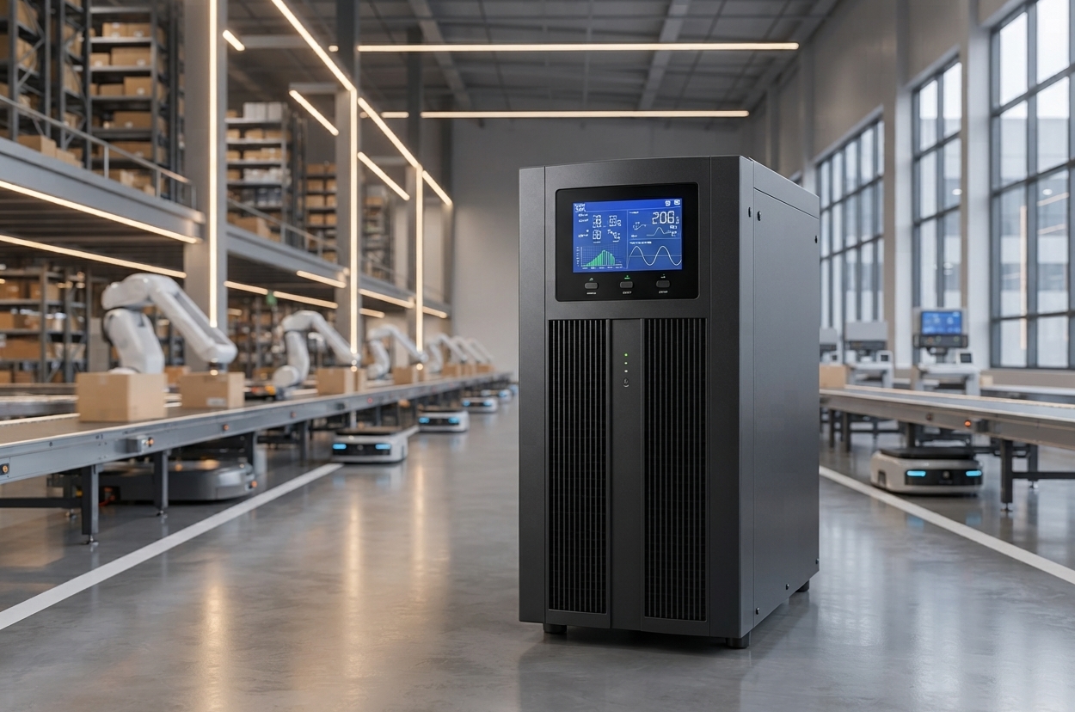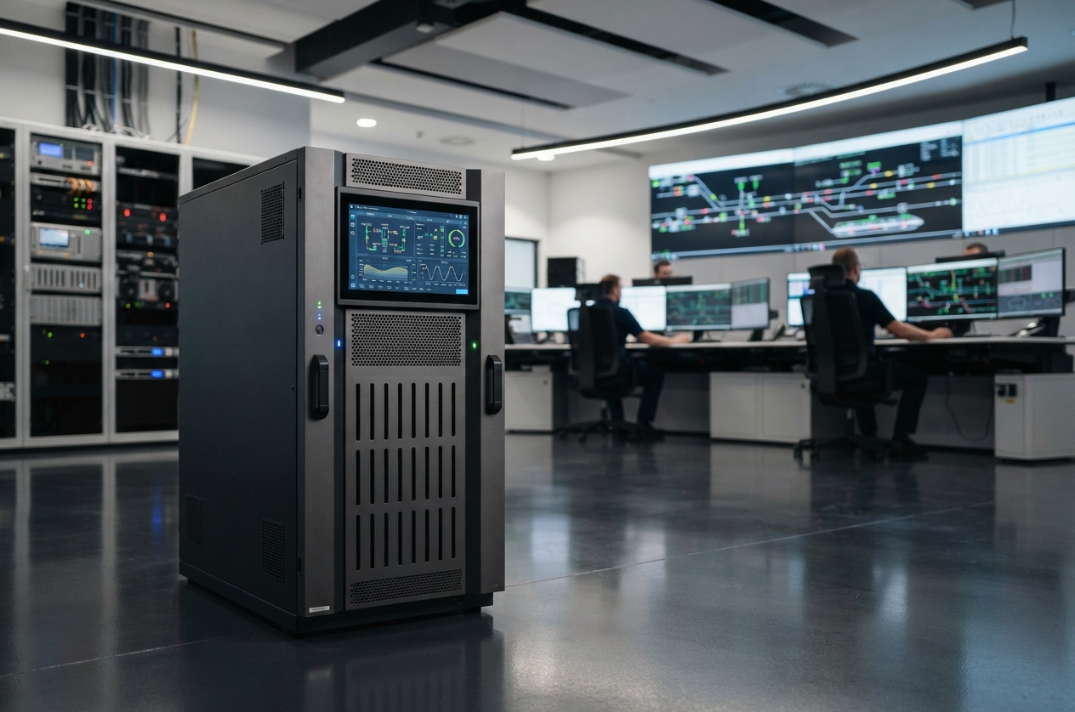
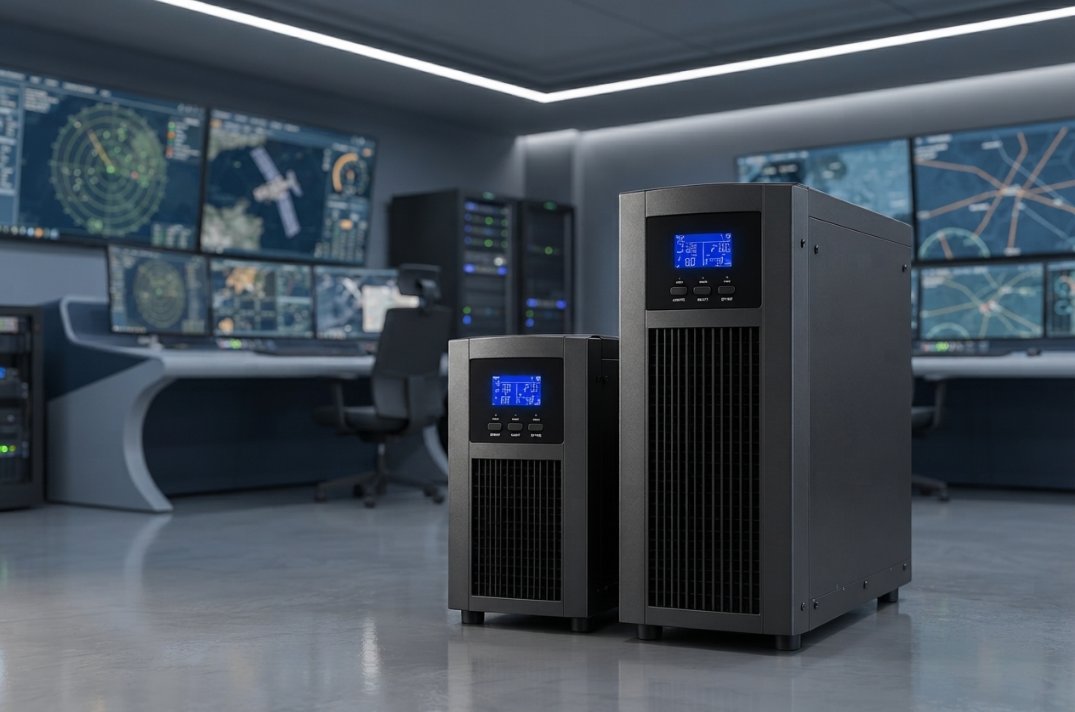
A 3 Phase Online UPS for Defence helps maintain a reliable power supply for critical electronic equipment. Defence facilities depend on communication networks, IT systems, control rooms, security monitoring, and other essential infrastructure. Therefore, a sudden power failure can interrupt important services and affect daily operations.
However, defence environments have different power needs. Some facilities require backup for computer systems and communication equipment, while others need support for larger IT installations. A suitable three-phase online UPS can provide conditioned power and battery backup to compatible connected loads.
Moreover, reliable power protection helps reduce the risk of unexpected equipment shutdowns. It also gives staff time to respond to power interruptions or switch to an approved backup source.
Bansal Hi-Tech offers power protection and IT infrastructure solutions that organisations can assess according to their requirements. In this article, we explain eight ways a three-phase online UPS can support defence operations and critical infrastructure.
What Is a 3 Phase Online UPS for Defence?
A three-phase online UPS supplies conditioned power to connected equipment. It uses a power-conversion process to help protect sensitive devices from many disturbances in the incoming electricity supply. In addition, its battery system provides temporary power when the main supply fails.
Defence facilities may use UPS systems for servers, network equipment, communication devices, monitoring consoles, and other critical electronics. However, each application has different power and safety requirements.
Therefore, engineers must assess the connected load, backup duration, battery capacity, and required level of redundancy before selecting a system. They must also consider the installation environment and applicable technical standards.
Organisations can explore three-phase online UPS solutions when reviewing options for critical power protection.
8 Ways a 3 Phase Online UPS Supports Defence Operations
1. Supports Critical Communication Infrastructure
Reliable communication helps defence organisations coordinate administrative, logistical, and support activities. Communication infrastructure may include network switches, routers, servers, and other electronic equipment.
A three-phase online UPS can provide backup power to selected communication devices. As a result, these systems may continue operating during a temporary power interruption.
Furthermore, conditioned power can help protect compatible equipment from certain electrical disturbances. Organisations should identify the critical communication loads and calculate their backup needs before choosing a UPS.
For this reason, teams can assess suitable online UPS systems according to the equipment requirements and intended application.
2. Helps Maintain IT Infrastructure
Defence organisations use IT infrastructure for administration, data management, internal applications, and routine operations. These services may depend on servers, storage devices, computers, and network equipment.
A sudden shutdown can interrupt access to applications and may affect unsaved work. Therefore, a suitable UPS can keep supported IT equipment running during a short outage.
In addition, battery backup gives IT teams time to save data, start an orderly shutdown, or transfer the load to an approved alternative supply.
Organisations can review their wider IT infrastructure requirements when planning power protection for servers and networking equipment.
3. Protects Data Centre Equipment
Data centres support applications, databases, storage systems, and other digital services. These facilities need a reliable power supply because an interruption can affect several connected systems at once.
A three-phase online UPS can supply conditioned power to compatible servers, storage devices, and network equipment. Moreover, a well-designed UPS arrangement can work alongside generators and other backup systems to improve continuity.
However, a UPS alone does not guarantee uninterrupted service. Organisations must also consider cooling, power distribution, system monitoring, and network resilience.
A review of data centre solutions can help teams identify these wider infrastructure needs.
4. Supports Control Room Electronics
Control rooms use computers, displays, monitoring consoles, and networking equipment to manage day-to-day activities. These systems may require continuous power to remain available during an interruption.
A properly sized UPS can provide temporary power to supported control room electronics. Consequently, staff may have more time to respond to an outage and follow the approved continuity plan.
The required capacity depends on the number of connected devices, their power consumption, and the expected backup time.
For suitable installations, organisations can assess the HPI 33 EVO 10–40 kW three-phase UPS as one potential option. Engineers should confirm the current product specifications and suitability before making a selection.
5. Helps Maintain Security Monitoring Systems
Security monitoring equipment may include CCTV recording servers, monitoring workstations, network switches, and storage devices. These systems help staff review and manage security information across a facility.
A UPS can keep selected monitoring equipment running during a temporary power failure. As a result, operators may retain access to supported recording and monitoring functions for the available backup period.
However, backup coverage depends on the equipment connected to the protected supply. Therefore, organisations should assess the power needs of cameras, recording devices, and network components separately.
They should also plan battery maintenance and test the backup system regularly to confirm that it meets the required runtime.
6. Improves Power Quality for Sensitive Equipment
Electronic equipment can experience problems when the incoming power supply fluctuates. An online UPS can help provide a more stable output to compatible connected loads, depending on its design and specifications.
For example, servers, communication devices, and monitoring equipment may benefit from conditioned power. In addition, battery backup helps maintain the supply when the main source fails.
For larger installations, organisations can evaluate options such as the KEOR HPE 60–500 kW three-phase UPS. The selection should reflect the actual load, backup needs, and verified product specifications.
However, a UPS does not remove every electrical risk. Proper grounding, suitable distribution equipment, and regular maintenance remain important.
7. Supports Power Continuity During Maintenance
Defence facilities may need to maintain IT and administrative services while teams inspect or upgrade equipment. A well-planned UPS arrangement can help keep selected critical loads running during short power interruptions.
Furthermore, regular maintenance helps identify battery problems, system alarms, and other issues before they affect operations. Teams should inspect the equipment, test backup performance, and follow the manufacturer’s maintenance guidance.
Some installations may benefit from modular systems or equipment with suitable maintenance bypass options. For example, organisations can evaluate the Easy UPS 3M Advanced 100–250 kW range when reviewing larger power protection requirements.
Nevertheless, engineers must verify the system configuration, redundancy, and maintenance process before implementation.
8. Supports Expansion of Critical Infrastructure
As organisations expand their IT facilities, their power protection needs may also change. Additional servers, storage devices, and network equipment can increase the total electrical load.
Therefore, teams should consider future capacity when selecting a UPS. A suitable system can help meet current needs while allowing planned growth within its design limits.
For some larger installations, modular power protection may offer useful configuration options. Organisations can also review the Galaxy VS three-phase UPS range when comparing potential solutions.
However, expansion still requires careful planning. Engineers should check available capacity, battery runtime, load distribution, redundancy, and compatibility before adding equipment.
Common Applications of a Three-Phase Online UPS in Defence Facilities
A three-phase online UPS may support several categories of critical electronic equipment, depending on the facility’s design and requirements.
| Application | Examples of equipment |
|---|---|
| IT infrastructure | Servers, storage devices, and network equipment |
| Communication infrastructure | Compatible routers, switches, and communication servers |
| Control rooms | Computers, displays, and monitoring consoles |
| Security monitoring | Recording servers and monitoring workstations |
| Data centres | Servers, storage, and supporting network devices |
| Administration | Essential computers and business applications |
| Power monitoring | Compatible monitoring and management equipment |
The exact configuration depends on the facility’s needs. A UPS should not be assumed suitable for every defence application, particularly equipment that requires specialised approval or a dedicated power system.
It also does not automatically power an entire defence facility, high-power machinery, vehicles, or weapons systems. These applications require separate engineering assessments and appropriate power infrastructure.
How to Choose the Right 3 Phase Online UPS for Defence
Selecting a UPS requires a clear understanding of the connected equipment and operating conditions. Before purchasing, organisations should consider the following factors.
Calculate the Critical Load
First, list the equipment that needs backup. Record its power consumption and operating requirements. Then, separate essential equipment from loads that can safely shut down during an outage.
Define the Required Backup Time
Next, determine how long each load must continue operating when the main supply fails. Battery capacity should match the required runtime, system efficiency, and expected operating conditions.
Check Redundancy Requirements
Some installations need additional protection against a single equipment failure. Therefore, engineers should assess redundancy, alternative power sources, and maintenance arrangements.
Review the Installation Environment
Temperature, dust, humidity, ventilation, and available space can affect UPS performance. Choose an installation location that meets the equipment’s environmental requirements and allows safe maintenance.
Verify Product Specifications
Compare the rated capacity, input and output requirements, battery options, and available monitoring features. In addition, confirm that the selected system meets the relevant technical and security requirements of the facility.
For official information about India’s defence administration and policies, consult the Ministry of Defence, Government of India. For any specific installation, follow the applicable procurement, technical, and security requirements.
Plan Regular Maintenance
Finally, establish a maintenance schedule. Check battery condition, review system alarms, inspect connections, and test the required backup duration. Regular checks help teams identify issues before they affect critical equipment.
Why Consider Bansal Hi-Tech for Power Protection?
Bansal Hi-Tech offers power protection and IT infrastructure solutions that organisations can review when planning their equipment requirements. The right UPS depends on the connected load, required runtime, installation conditions, and expected level of resilience.
Teams can explore networking and IT infrastructure solutions when reviewing the wider needs of their facilities.
For larger power requirements, organisations may also assess the KEOR T EVO three-phase UPS range against their actual load and runtime calculations.
Before selecting any product, confirm its specifications, availability, and suitability for the intended application. A professional assessment should also cover battery sizing, redundancy, installation, and maintenance.
Frequently Asked Questions
1. What is a 3 Phase Online UPS for Defence?
A 3 Phase Online UPS for Defence supplies conditioned power and battery backup to selected electronic equipment. Typical applications may include IT infrastructure, data centres, communication equipment, and monitoring systems.
2. Why do defence facilities need UPS systems?
Defence facilities may rely on electronic systems that need a stable power supply. A suitable UPS can reduce the risk of unexpected shutdowns and provide temporary backup during a power interruption.
3. Can a three-phase online UPS support a defence data centre?
Yes. A suitable system can provide backup power to compatible servers, storage devices, and networking equipment. The required capacity depends on the connected load, runtime, and redundancy requirements.
4. How do I calculate UPS capacity for a defence facility?
Start by listing the critical loads and calculating their total power requirements. Then, assess the backup duration, battery capacity, redundancy, and future expansion needs. A qualified engineer should verify the final design.
5. How long can a three-phase online UPS provide backup?
The backup time depends on the connected load, battery capacity, battery condition, and system efficiency. Therefore, engineers should calculate the runtime for the specific installation.
6. Does a UPS protect equipment from every power problem?
No. An online UPS can help manage certain power disturbances and provide battery backup. However, grounding, surge protection, correct electrical design, and regular maintenance may also be necessary.
7. Can one UPS power an entire defence facility?
Not automatically. Most systems protect selected loads. Supporting an entire facility or high-power equipment requires a separate engineering assessment and an appropriately designed power system.
Conclusion
A 3 Phase Online UPS for Defence can support critical electronic infrastructure by providing conditioned power and temporary battery backup. Its potential applications include IT systems, communication infrastructure, control rooms, data centres, security monitoring, and other essential equipment.
However, every installation has different requirements. Organisations should assess the critical load, required backup duration, redundancy, operating environment, and applicable standards before choosing a system.
With proper planning, suitable equipment, and regular maintenance, defence facilities can improve power continuity for supported electronic systems and strengthen their wider infrastructure reliability.