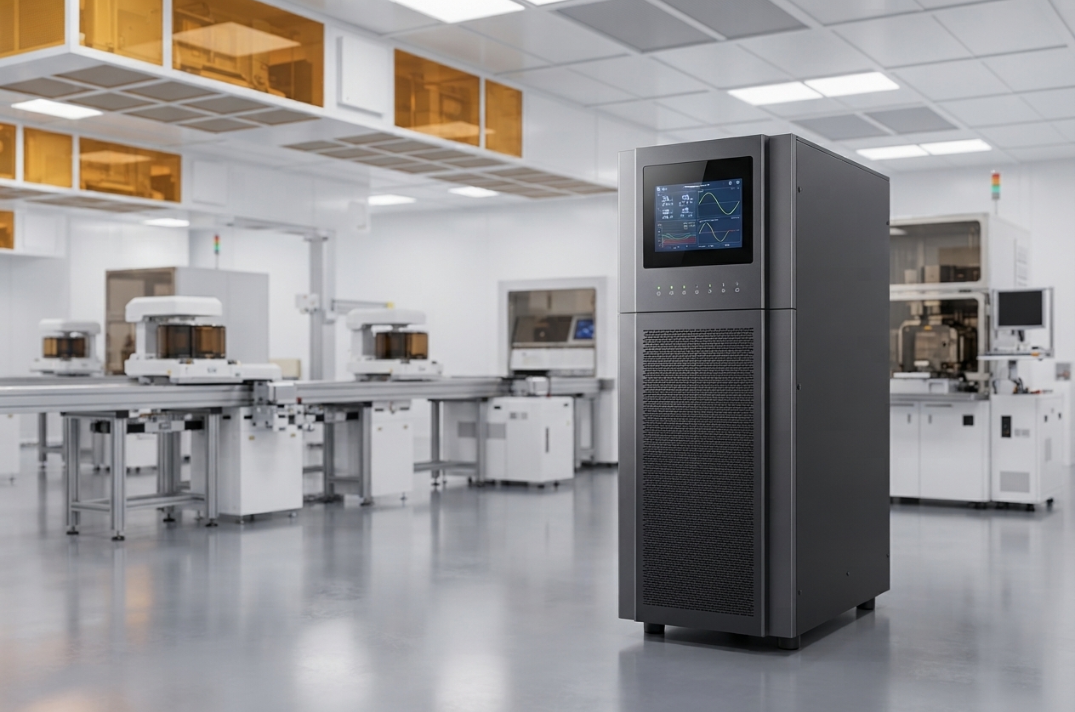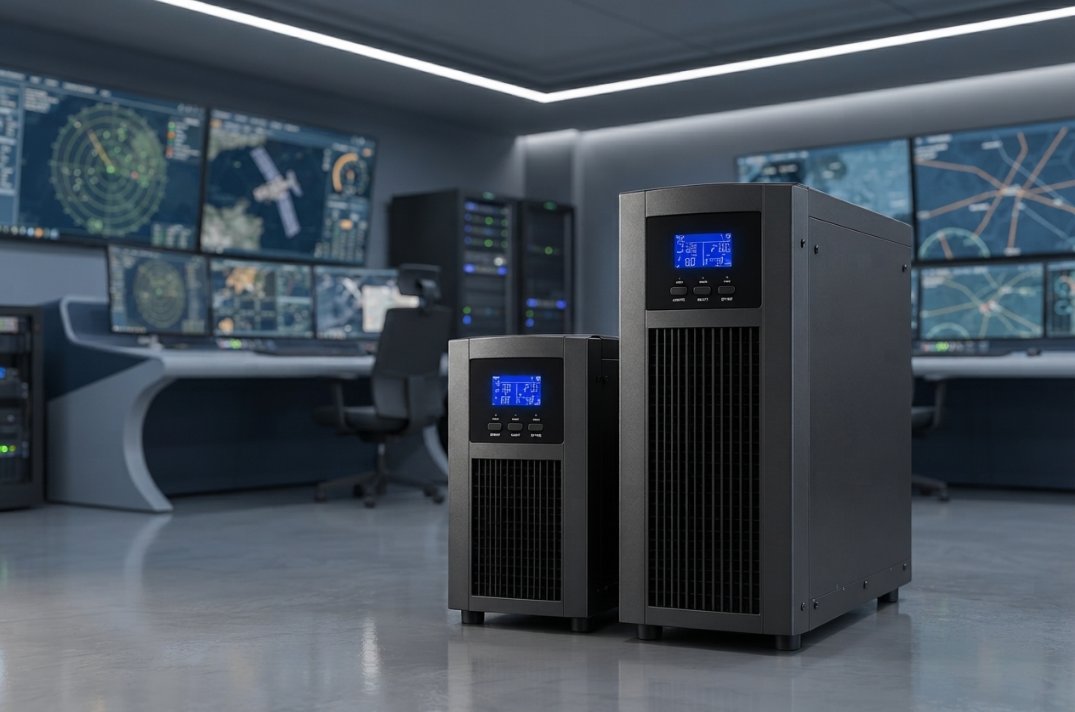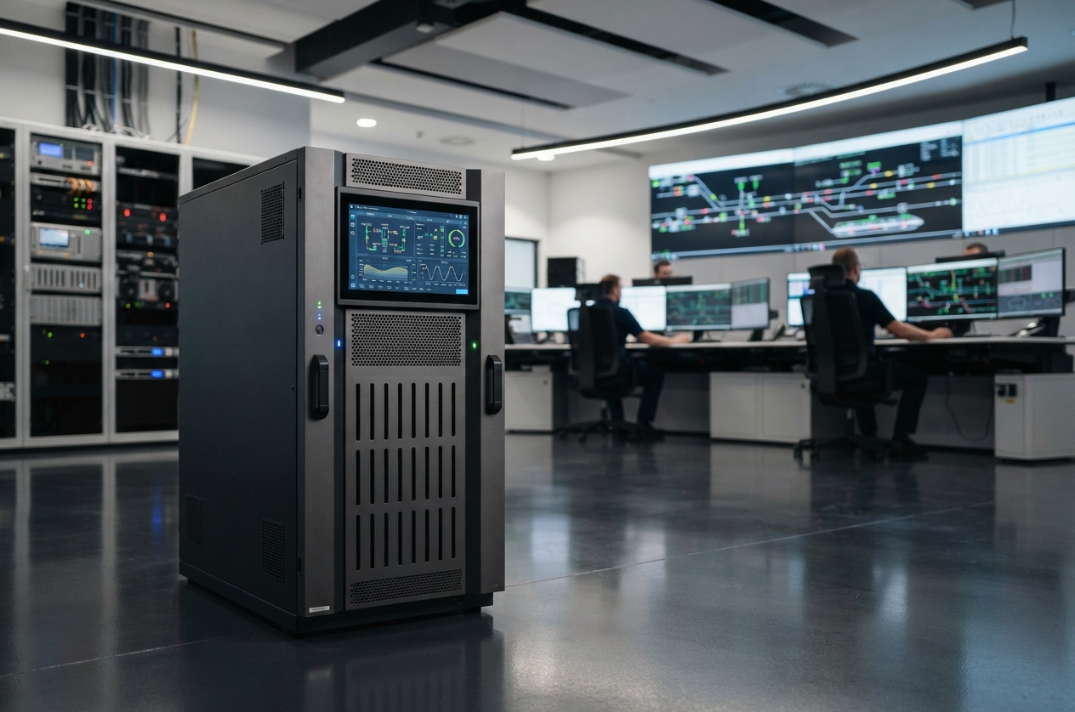
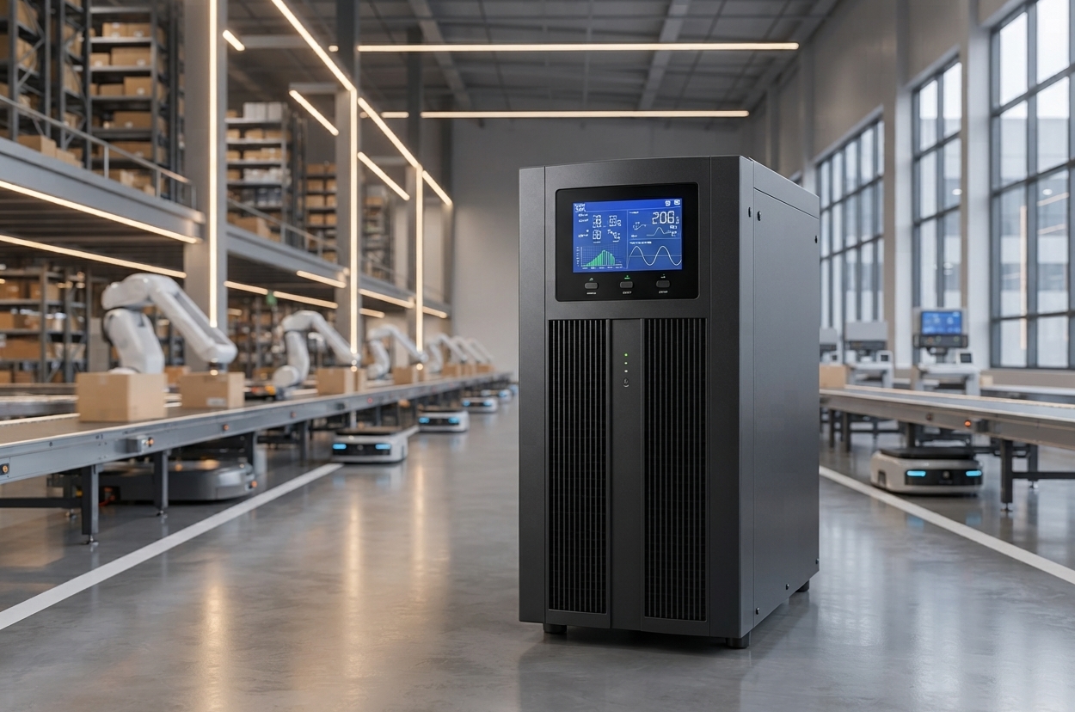
A 3 Phase Online UPS for E-commerce helps protect critical electronic equipment from power interruptions and certain electrical disturbances. E-commerce businesses depend on order management systems, inventory software, payment infrastructure, warehouse networks, and customer support tools. Therefore, a sudden power failure can interrupt daily operations and delay order processing.
As online shopping grows, businesses need reliable technology to manage orders, track stock, and serve customers. Even a short outage can affect connected servers, network equipment, and other essential devices. A suitable three-phase online UPS provides conditioned power and temporary battery backup to compatible equipment.
However, not every e-commerce business needs the same power protection system. A small online store may rely mainly on cloud-based services, while a large retailer may operate warehouses, server rooms, and distribution centres. Therefore, businesses should select a UPS according to their actual power requirements.
Bansal Hi-Tech offers power protection and IT infrastructure solutions that businesses can assess for their operational needs. In this article, we explain seven key benefits of using a three-phase online UPS in e-commerce operations.
What Is a 3 Phase Online UPS for E-commerce?
A three-phase online UPS supplies conditioned power to connected equipment through a power-conversion process. It also uses batteries to provide temporary power when the main electricity supply fails.
E-commerce businesses may use UPS systems to protect servers, network devices, local IT infrastructure, inventory terminals, and other critical electronics. However, each application has different power requirements and backup needs.
For example, a warehouse may need backup for its network equipment and inventory systems. Meanwhile, an e-commerce company with an in-house data centre may require a larger UPS installation for servers and storage devices.
Businesses can explore three-phase online UPS solutions when evaluating options for larger power protection requirements.
7 Key Benefits of a 3 Phase Online UPS for E-commerce Businesses
1. Maintains Order Processing Operations
Order processing is a core part of every e-commerce business. Companies use order management software, computers, network equipment, and databases to receive and process customer purchases.
A power interruption can shut down locally hosted systems or interrupt access to essential equipment. As a result, staff may face delays while checking orders, preparing shipments, or updating order status.
A suitable UPS can keep supported local IT equipment running during a temporary outage. In addition, battery backup gives staff time to save data, shut down systems safely, or switch to an approved alternative power source.
However, a UPS cannot guarantee that an online store will remain accessible if its cloud provider, internet connection, or external platform experiences an outage. Businesses should also maintain reliable internet connectivity and appropriate service continuity plans.
2. Protects Warehouse Inventory Systems
E-commerce warehouses depend on inventory software to track stock levels, product locations, and order fulfilment. Staff may use computers, barcode scanners, wireless access points, label printers, and network devices throughout the facility.
If critical network equipment loses power, workers may temporarily lose access to inventory information. Consequently, picking, packing, and stock updates can slow down.
A properly planned UPS can provide backup for selected network devices, inventory terminals, and local servers. This helps staff maintain access to supported systems during short power interruptions.
Businesses should identify the equipment that requires uninterrupted power. For larger installations, they can assess the HPI 33 EVO 10–40 kW three-phase UPS as one potential option, subject to verified specifications and load requirements.
3. Supports Payment and Transaction Infrastructure
Online retailers depend on payment gateways, transaction applications, and supporting IT systems to process customer purchases. Physical stores and fulfilment centres may also use point-of-sale terminals and payment devices.
A power failure can interrupt local payment equipment or supporting network infrastructure. Therefore, businesses should protect the critical devices that need to remain operational during an outage.
A suitable UPS can provide temporary backup for compatible payment terminals, network switches, local servers, and other connected electronics. Moreover, it gives staff time to follow approved procedures when the power supply fails.
However, a UPS does not protect payment data from cyberattacks or guarantee that a payment gateway remains available. Businesses must also follow applicable payment security requirements, including those described by the PCI Security Standards Council.
4. Improves Server Room and Data Centre Reliability
Large e-commerce companies may operate local server rooms or data centres to support business applications, databases, internal tools, and digital services. These systems need reliable power because an unexpected shutdown can affect several connected services.
A three-phase online UPS can provide conditioned power to compatible servers, storage devices, and networking equipment. In addition, a well-designed system can work alongside generators and other backup arrangements.
Businesses should also consider cooling, electrical distribution, network resilience, and system monitoring. A UPS alone cannot guarantee continuous operation if other essential infrastructure fails.
To plan these requirements, companies can explore data centre solutions and assess the wider needs of their computing environment.
5. Supports Customer Service and Communication
E-commerce customer service teams use computers, headsets, communication platforms, network equipment, and customer relationship management software. These tools help staff answer questions, manage complaints, and provide order updates.
When local power fails, customer service operations may lose access to connected equipment. As a result, staff may struggle to respond to customer requests or check order information.
A UPS can support selected computers, communication devices, and network equipment during short outages. Furthermore, it gives teams time to save work and follow their business continuity procedures.
Companies should assess their actual equipment and backup needs before choosing a system. They can also review networking and IT infrastructure solutions when planning the wider technology environment.
6. Helps Protect Business Data and Local IT Systems
E-commerce companies manage product information, order records, inventory data, customer service records, and internal business documents. Although many businesses use cloud platforms, they may still depend on local servers, computers, and network devices.
A sudden shutdown can interrupt data access and cause unsaved work to be lost. In some cases, an unexpected shutdown may also disrupt local applications or require additional system checks before staff resume work.
A suitable UPS gives supported equipment temporary power during an outage. Therefore, employees may have time to save work, perform a controlled shutdown, or transfer operations to an approved backup source.
Businesses should also maintain regular backups, access controls, and recovery procedures. For larger power requirements, they can evaluate the KEOR HPE 60–500 kW three-phase UPS against their verified load and application requirements.
7. Supports Business Growth and Infrastructure Expansion
As an e-commerce business grows, it may add warehouses, customer service teams, local servers, network equipment, or additional fulfilment locations. These changes can increase its power protection needs.
Therefore, companies should consider future expansion when selecting a UPS. They should also calculate the power requirements of the equipment they expect to add.
Some larger installations may benefit from modular configurations or other systems designed for expansion. Businesses can compare the KEOR T EVO 15–60 kVA three-phase UPS or the Galaxy VS 20–150 kW UPS range when reviewing potential options.
However, the final selection should reflect the connected load, required runtime, redundancy, installation conditions, and verified product specifications. A larger rating alone does not guarantee a better fit.
Where Can E-commerce Businesses Use a Three-Phase Online UPS?
A three-phase online UPS may support several types of equipment, depending on the business model and installation design.
| E-commerce application | Equipment that may need backup |
|---|---|
| Order processing | Local servers, computers, and network devices |
| Warehouse operations | Inventory terminals, wireless access points, and local IT systems |
| Payment infrastructure | Compatible payment terminals and supporting network equipment |
| Server rooms | Servers, storage devices, and network equipment |
| Customer service | Computers, communication devices, and local networking |
| Inventory management | Local servers, computers, and connected terminals |
| Business administration | Essential computers and local applications |
Not every device requires a centralised three-phase UPS. Smaller devices may need dedicated single-phase units, while large server rooms may require a three-phase installation.
In addition, warehouse machinery, refrigeration, conveyors, and other high-power equipment need separate engineering assessments. A UPS designed for IT equipment should not automatically be treated as backup for an entire warehouse.
How to Choose the Right 3 Phase Online UPS for E-commerce
Choosing a UPS requires more than comparing product ratings. E-commerce businesses should consider the following factors before purchasing a system.
Calculate the Critical Load
First, list the equipment that requires backup. Record its power consumption and operating requirements. Then, separate essential IT equipment from devices that can safely shut down during an outage.
Determine the Required Backup Time
Next, decide how long the equipment must continue operating during a power failure. Battery capacity should match the required runtime, system efficiency, and expected load.
Assess Redundancy Requirements
Some businesses need extra protection against a single equipment failure. Therefore, they should review redundant UPS configurations, alternative power sources, and maintenance arrangements.
Check Installation Conditions
Temperature, ventilation, dust, humidity, and available space can affect UPS performance. Choose a suitable installation location and allow enough room for safe maintenance.
Consider Future Expansion
As the business grows, its server and networking requirements may change. Therefore, review planned expansion before selecting a UPS. This approach can help reduce the need for an early replacement.
Plan Maintenance and Battery Checks
Finally, create a maintenance schedule. Check battery condition, review alarms, inspect connections, and test the required backup time. Regular maintenance helps teams identify problems before they affect business operations.
Why Consider Bansal Hi-Tech for E-commerce Power Protection?
Bansal Hi-Tech offers power protection and IT infrastructure solutions that businesses can evaluate when planning their equipment requirements.
The right system depends on the connected load, backup duration, installation environment, and required level of resilience. Therefore, companies should compare verified product specifications and assess their actual power needs before making a decision.
Businesses can review online UPS solutions when evaluating options for critical electronic equipment. They can also consider IT infrastructure solutions when planning the wider environment for their servers and network devices.
For temporary projects or short-term requirements, companies may explore online UPS rental options, subject to availability, capacity, installation needs, and rental terms.
Before selecting any system, businesses should confirm the current specifications, battery runtime, compatibility, and maintenance requirements. A qualified professional should review the final design.
Frequently Asked Questions
1. What is a 3 Phase Online UPS for E-commerce?
A 3 Phase Online UPS for E-commerce provides conditioned power and temporary battery backup to selected equipment. Applications may include local servers, warehouse IT systems, networking devices, and compatible payment infrastructure.
2. Why do e-commerce businesses need UPS systems?
E-commerce businesses rely on technology to process orders, manage inventory, communicate with customers, and operate local IT systems. A suitable UPS can help protect selected equipment from unexpected power interruptions.
3. Can a three-phase UPS keep an online store running during a power failure?
It can support compatible local equipment, such as servers and networking devices. However, the website may still experience downtime if the cloud provider, hosting service, internet connection, or external platform fails.
4. Can a UPS support warehouse inventory systems?
Yes. A suitable UPS can provide backup to selected inventory terminals, network switches, wireless access points, and local servers. The actual configuration depends on the equipment and required runtime.
5. How do I calculate UPS capacity for an e-commerce business?
List the critical equipment and calculate its total power demand. Then, determine the required backup time, battery capacity, redundancy, and expected future growth. A qualified engineer should verify the final selection.
6. How long can a three-phase online UPS provide backup?
Backup time depends on the connected load, battery capacity, battery condition, and system efficiency. Therefore, businesses should calculate runtime according to their specific requirements.
7. Does every e-commerce business need a three-phase UPS?
No. Smaller businesses may only need dedicated UPS units for a few devices. Larger warehouses, server rooms, and IT installations may require three-phase systems, depending on their electrical load.
Conclusion
A 3 Phase Online UPS for E-commerce can help protect critical electronic equipment used for order processing, inventory management, payment infrastructure, customer service, and local IT operations.
However, each business has different requirements. Companies should assess their critical loads, backup duration, redundancy, installation conditions, and plans for future growth before choosing a system.
With suitable equipment, careful planning, and regular maintenance, e-commerce businesses can improve power continuity for essential systems and reduce the risk of avoidable interruptions.