Introduction
The oil and gas industry depends on reliable power to support monitoring systems, communication networks, control equipment, data infrastructure, and essential operational processes. From upstream exploration facilities to downstream processing plants, power interruptions can disrupt monitoring activities, affect communication, and complicate operational recovery.
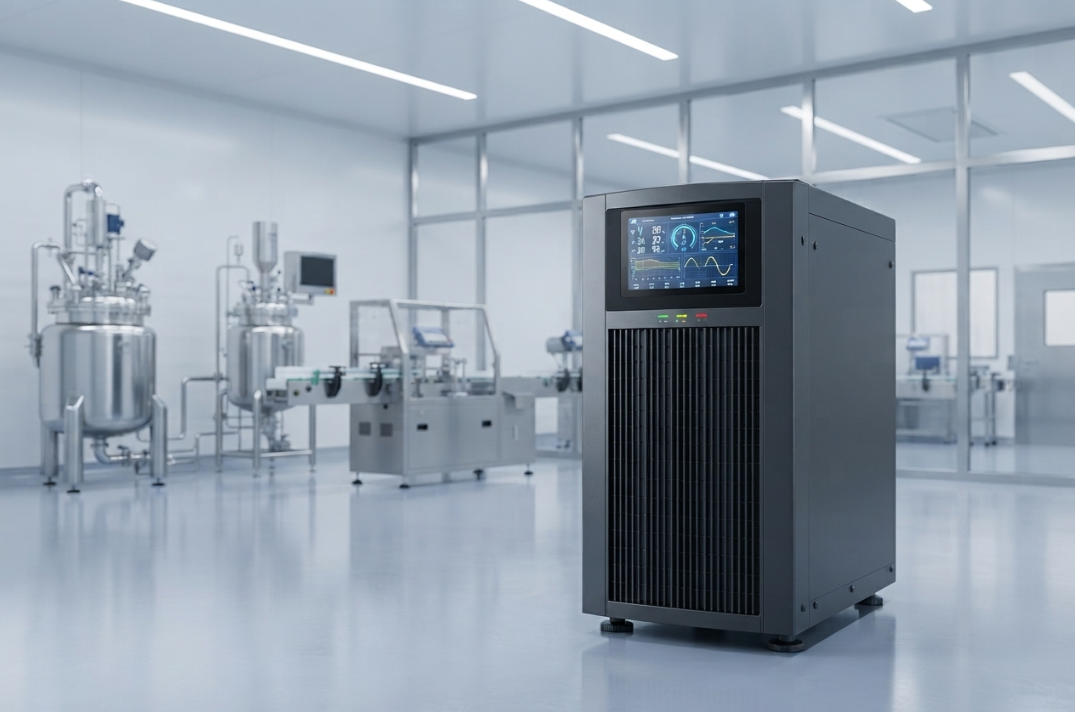
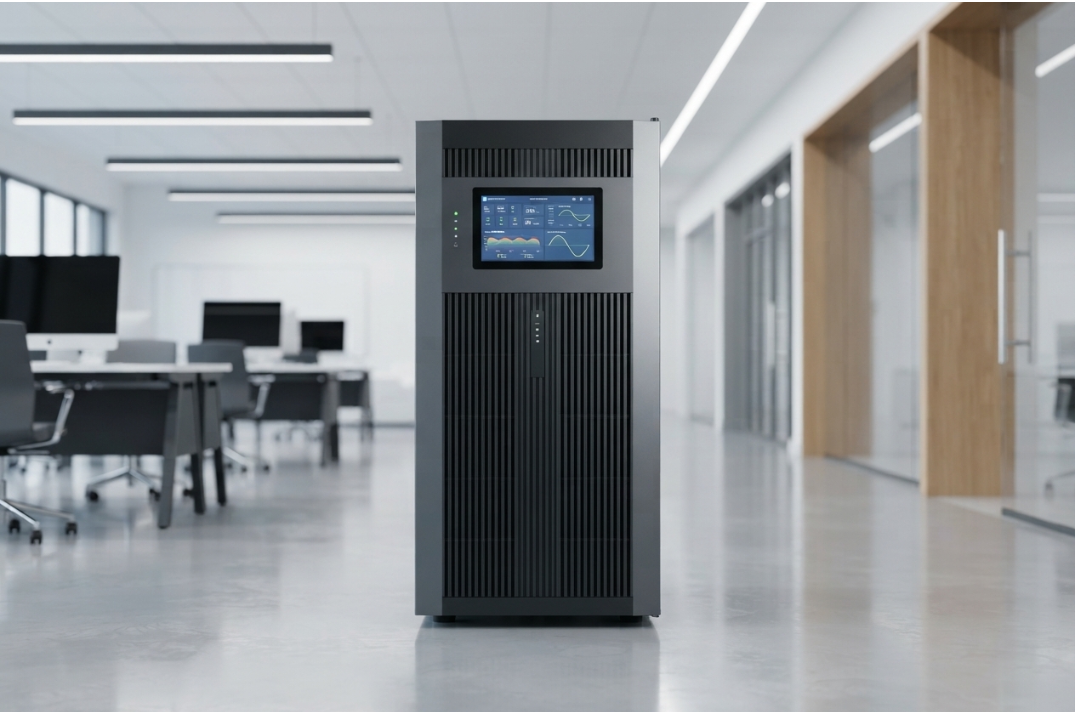
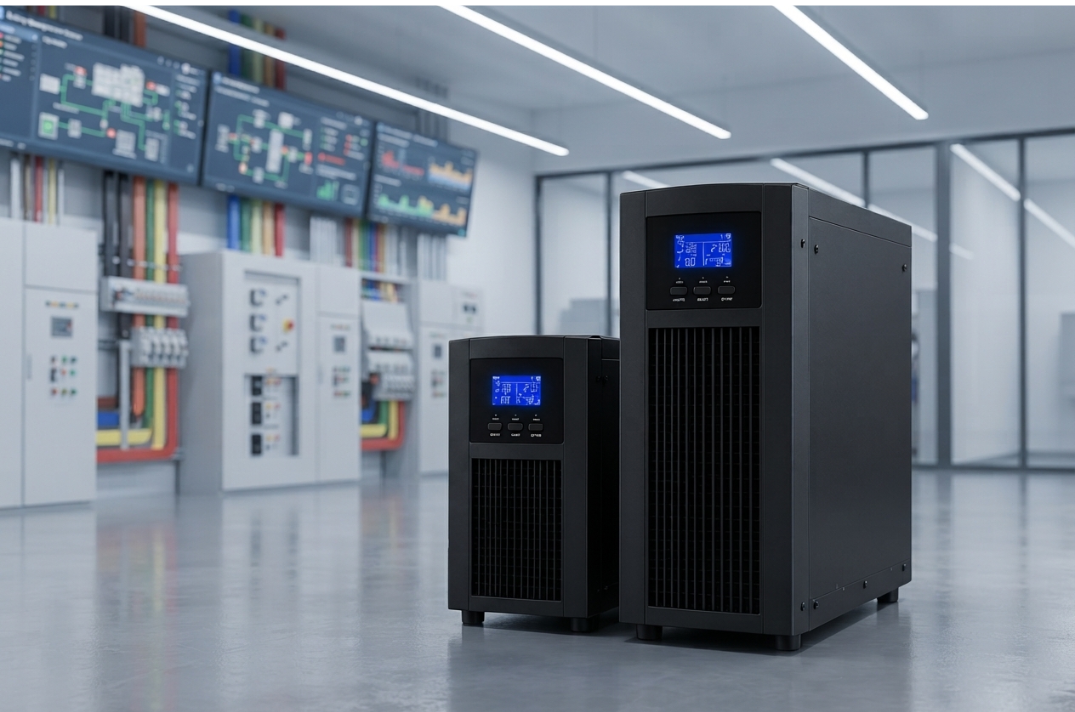
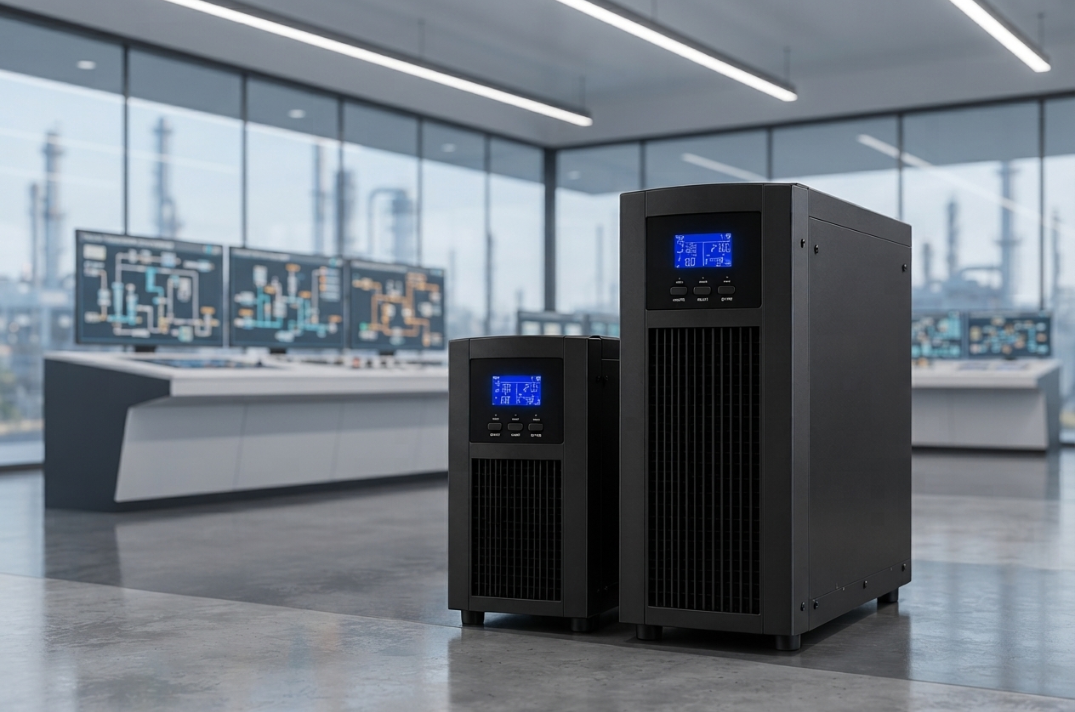
A 3 Phase Online UPS for Oil & Gas Operations helps protect selected critical electronic and IT systems by providing battery-backed, conditioned power. When correctly designed and installed, it can reduce power-related interruptions and support operational continuity in demanding industrial environments.
In this article, we explore 10 ways a three-phase online UPS can support oil and gas operations, along with key considerations for selecting suitable power protection equipment.
What Is a 3 Phase Online UPS for Oil & Gas Operations?
A three-phase online UPS is a power protection system designed to supply conditioned electricity to compatible connected equipment. In a double-conversion online UPS, incoming AC power is converted to DC and then converted back to AC. This helps isolate supported loads from many common input power disturbances.
In oil and gas facilities, a UPS may support selected control-system electronics, monitoring workstations, communication equipment, servers, and other critical electronic loads. The exact application depends on the site’s electrical design, environmental conditions, safety requirements, and equipment specifications.
Organisations can explore three-phase online UPS solutions to understand the available options for different power requirements.
10 Ways a 3 Phase Online UPS Protects Oil & Gas Operations
1. Supports Critical Monitoring Systems
Oil and gas facilities use monitoring systems to track equipment conditions, operational parameters, and process information. These systems help operators identify abnormal conditions and make informed decisions.
A suitably selected UPS can maintain power to compatible monitoring computers, electronic interfaces, and operator workstations during short power interruptions. This helps preserve visibility into supported systems while operators respond to an outage.
The facility’s engineering team should identify the monitoring equipment that requires backup and confirm its power requirements. Monitoring continuity also depends on the availability of sensors, communication links, and other components throughout the system.
2. Helps Maintain Control-System Availability
Industrial control environments use electronic controllers, supervisory systems, and operator interfaces to monitor and manage processes. An unexpected power interruption can affect these systems and complicate the safe recovery of operations.
A properly engineered UPS can support compatible control-system electronics and associated IT equipment. This provides temporary backup during an outage and can help reduce power-related interruptions to supported components.
However, control-system backup must follow the facility’s approved electrical and process-safety design. A general-purpose UPS should not be assumed suitable for every controller, actuator, or process load. Safety instrumented systems and other protection systems require their own engineering assessment and compliant backup arrangements.
3. Protects Operational Data and IT Infrastructure
Oil and gas organisations generate operational data through monitoring systems, maintenance applications, reporting platforms, and enterprise software. Servers and storage systems may support access to this information across departments and sites.
A three-phase online UPS can protect compatible servers, storage equipment, and other critical IT loads from sudden power interruptions. It helps reduce the risk of unexpected shutdowns and provides time for an orderly response when the outage continues.
Organisations can assess data centre solutions when planning the infrastructure that supports operational applications and business data.
Power protection should complement regular data backups, redundant systems, and tested recovery procedures. A UPS alone cannot guarantee that information will remain available during every incident.
4. Supports Communication and Network Infrastructure
Reliable communication is important across production sites, processing facilities, control rooms, and corporate offices. Network equipment may connect monitoring systems, operational teams, remote locations, and central IT services.
A suitable online UPS can maintain power to compatible routers, switches, network security devices, and communication equipment. This helps reduce interruptions caused by electrical outages affecting the protected devices.
Businesses can review networking and IT infrastructure requirements as part of a wider power protection plan.
For remote and industrial locations, engineers should also assess communication redundancy, environmental conditions, and the power requirements of field equipment. A UPS at one location cannot protect communication links or devices that do not receive backup power.
5. Reduces the Impact of Electrical Power Disturbances
Industrial electrical environments may experience voltage variations and other disturbances caused by changes in the supply or connected equipment. Sensitive electronic systems can respond to these conditions with unexpected resets, interruptions, or faults.
A double-conversion online UPS provides conditioned output power to compatible loads. This helps reduce the impact of many common input power disturbances on protected electronic equipment.
However, UPS protection should form part of a broader electrical design. Proper earthing, circuit protection, surge protection, and coordination with the site’s distribution system remain essential.
Organisations can compare online UPS systems when assessing options for critical electronic equipment.
6. Supports Remote Monitoring and Supervisory Operations
Oil and gas operations may depend on remote monitoring workstations, supervisory applications, and communication gateways to observe equipment across geographically distributed sites. Power interruptions can affect the availability of these electronic systems.
A properly sized UPS can maintain power to selected monitoring and supervisory equipment during short outages. This helps operators retain access to supported information while the facility team investigates the interruption.
The complete solution should consider the entire monitoring path, including local equipment, communication infrastructure, remote connectivity, and central systems. Backup at only one point cannot ensure end-to-end availability.
7. Helps Reduce Downtime in Critical Support Systems
Power interruptions can disrupt IT services, operational reporting, maintenance systems, and communication tools. These disruptions may delay troubleshooting and make it harder for teams to coordinate a response.
A suitable three-phase online UPS helps reduce power-related downtime by maintaining power to designated critical electronic loads. Depending on the available runtime, it may also give staff time to save work, transfer to an alternative system, or initiate a controlled shutdown.
Where generators form part of the site’s backup strategy, the UPS may bridge the interval before generator power becomes available. Engineers must verify generator capacity, transfer arrangements, electrical compatibility, and the expected load.
The required runtime should reflect the facility’s response procedures and the time needed to restore a reliable power source.
8. Supports Infrastructure Expansion
Oil and gas facilities may add monitoring equipment, communication devices, servers, and new digital applications as operational requirements change. These additions can increase demand on existing backup systems.
A three-phase online UPS can support expansion when its capacity, configuration, and runtime match the projected load. Some systems also offer modular designs that allow capacity to increase in stages.
For example, organisations can evaluate the Easy UPS 3-Phase Modular 50–250 kW if its published specifications suit the intended application.
Before adding equipment, teams should assess existing power demand, future load growth, redundancy requirements, and available electrical capacity. They should also confirm whether the installation can support additional loads without compromising reliability.
9. Helps Improve Power Monitoring and Maintenance Planning
Power protection equipment needs regular monitoring and maintenance to remain dependable. Battery deterioration, environmental conditions, component faults, or unexpected changes in load can affect system performance.
Depending on the model, a UPS may provide information about load levels, battery condition, operating status, and alarms. These details help maintenance teams identify potential problems and plan corrective action.
Organisations should establish maintenance procedures that cover inspections, battery assessments, alarm reviews, and functional testing according to manufacturer recommendations. Staff should also understand the correct response to UPS alarms and system faults.
For broader infrastructure planning, teams can explore IT infrastructure solutions alongside their power protection requirements.
10. Supports Power Resilience Planning Across Facilities
Oil and gas organisations often operate multiple sites with different power conditions, equipment requirements, and operational priorities. A consistent power protection strategy helps teams identify critical loads and establish suitable backup arrangements.
A three-phase online UPS can form part of that strategy when its application, capacity, and environmental suitability have been verified. Engineers should consider site conditions, maintenance access, redundancy, battery runtime, and the consequences of losing each protected load.
For example, the HPI 33 EVO 10–40 kW three-phase UPS may be evaluated against the requirements of an appropriate installation using its published specifications.
For temporary projects or changing backup needs, online UPS rental options may also be worth assessing, subject to availability and technical suitability.
Importantly, equipment intended for hazardous areas must meet the applicable site classification and certification requirements. A standard UPS should not be installed in a hazardous location unless its suitability for that environment has been established.
How to Choose the Right 3 Phase Online UPS for Oil & Gas Operations
Selecting a UPS for an oil and gas facility requires careful assessment of electrical, operational, and environmental requirements. A system designed for an office IT room may not be suitable for an industrial site.
Consider these factors before selecting a solution:
- Critical load assessment: Identify the electronic and IT systems that need backup and calculate their actual power demand.
- Required runtime: Determine how long the UPS must support connected equipment during an outage.
- Environmental conditions: Assess ambient temperature, humidity, dust, vibration, corrosion risks, and ventilation.
- Hazardous-area requirements: Verify the site’s classification and all applicable equipment certification requirements.
- Load compatibility: Check manufacturer specifications, load characteristics, and electrical requirements.
- Redundancy: Determine whether the installation requires additional capacity or a redundant UPS configuration.
- Battery management: Review battery technology, expected service life, replacement procedures, and maintenance access.
- Generator compatibility: Confirm that the UPS can operate with the site’s generator and transfer arrangements.
- Monitoring and alarms: Check whether the system supports the interfaces and alerts required by the maintenance team.
- Service support: Assess commissioning, preventive maintenance, spare parts, and technical support.
A three-phase online UPS should not automatically be used to power heavy industrial machinery, large pumps, compressors, drilling equipment, or entire processing units. Such loads require separate engineering assessments based on their electrical characteristics, operating conditions, and safety requirements.
Why Oil & Gas Facilities Need a Planned Power Protection Strategy
A UPS is one part of a broader industrial reliability strategy. Its effectiveness depends on proper load selection, engineering design, installation, maintenance, and coordination with the facility’s existing electrical systems.
Bansal Hi-Tech provides power and IT infrastructure-related solutions that organisations can evaluate against their requirements. Before selecting a product, technical teams should confirm that its specifications, environmental suitability, and configuration match the intended oil and gas application.
The final design should prioritise critical electronic loads, establish realistic runtime requirements, and account for the facility’s operating and safety procedures.
Frequently Asked Questions
1. Why is a 3 Phase Online UPS important for oil and gas operations?
It can provide backup and conditioned power to selected critical electronic and IT systems. These may include monitoring workstations, communication equipment, servers, and compatible control-system electronics.
2. Can a three-phase online UPS power oil and gas machinery?
Not automatically. Heavy machinery, pumps, compressors, and other motor-driven loads require a separate engineering assessment. A UPS selected for critical electronic systems may not be suitable for these applications.
3. Can a UPS protect industrial control systems?
A properly selected UPS can support compatible control-system electronics. However, the installation must follow the facility’s approved engineering and safety requirements, particularly for safety-critical systems.
4. How does a UPS help reduce operational downtime?
It maintains power to supported equipment during an interruption, giving systems time to continue operating temporarily or shut down in a controlled manner. The result depends on the connected load, runtime, and wider backup arrangements.
5. Can an online UPS work with a generator?
Yes, if the UPS and generator are correctly engineered for compatibility. The design should account for generator capacity, voltage and frequency behaviour, load characteristics, and transfer arrangements.
6. What environmental factors matter when selecting an oil and gas UPS?
Important factors include temperature, humidity, dust, vibration, corrosion, ventilation, and hazardous-area classification. The equipment must meet the requirements of its intended installation.
7. How often should an industrial UPS be maintained?
The maintenance schedule should follow manufacturer guidance and the site’s operating conditions. Typical tasks include battery checks, alarm reviews, inspections, and functional testing.
Conclusion
A 3 Phase Online UPS can strengthen oil and gas power reliability by supporting critical monitoring systems, protecting IT infrastructure, maintaining communication equipment, and reducing power-related interruptions. It can also support maintenance planning and future infrastructure expansion.
The right solution depends on the specific loads, required backup duration, environmental conditions, and operational safety requirements. With proper engineering, installation, and maintenance, a suitable UPS can contribute to a more resilient power protection strategy for oil and gas facilities.