Introduction
Educational institutions increasingly depend on technology to support teaching, learning, administration, and research. Schools, colleges, universities, and training centres use computer laboratories, digital classrooms, campus networks, servers, and online learning platforms every day. A sudden power interruption can disrupt lessons, interrupt examinations, and affect access to important academic resources.
A 3 Phase Online UPS for Education helps protect selected critical electronic and IT systems by providing backup power and conditioned electricity. When correctly sized and installed, it can reduce power-related interruptions and support the continuity of essential educational services.
In this article, we explore eight ways a three-phase online UPS supports educational institutions and explain how to choose a suitable system for campus requirements.
What Is a 3 Phase Online UPS for Education?
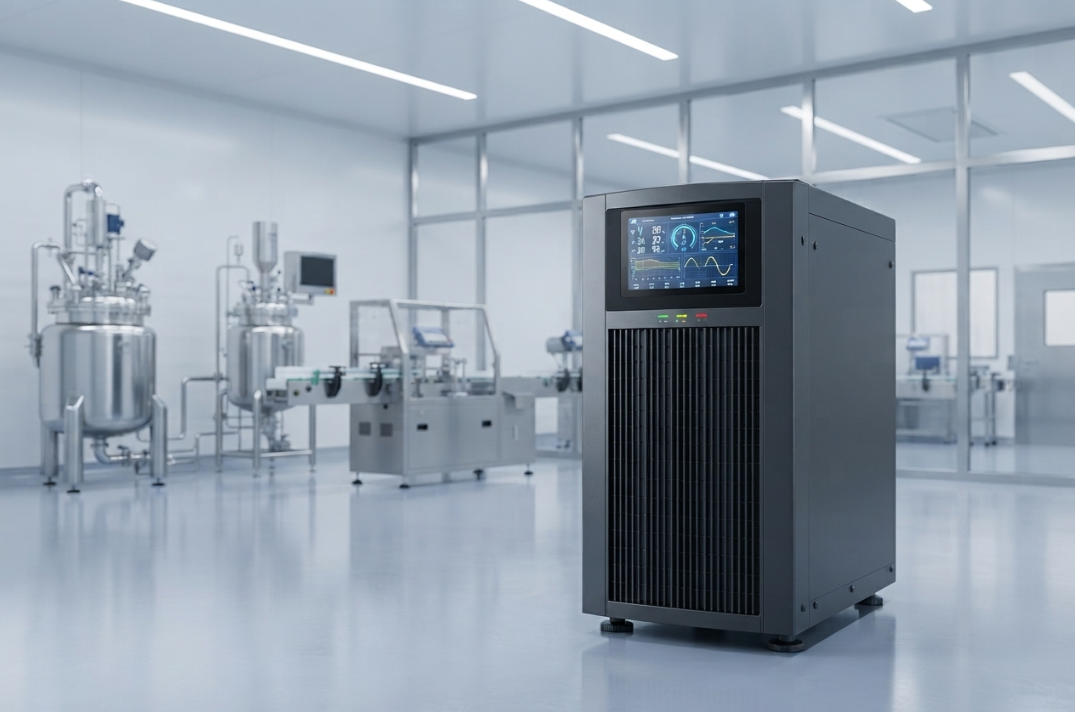
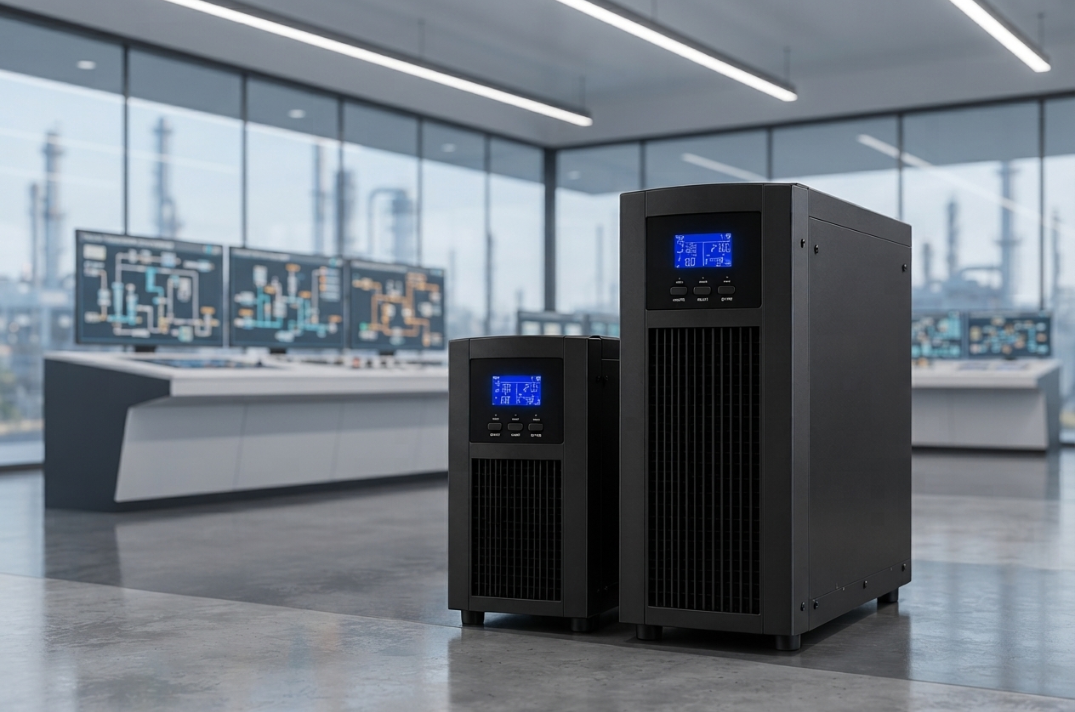
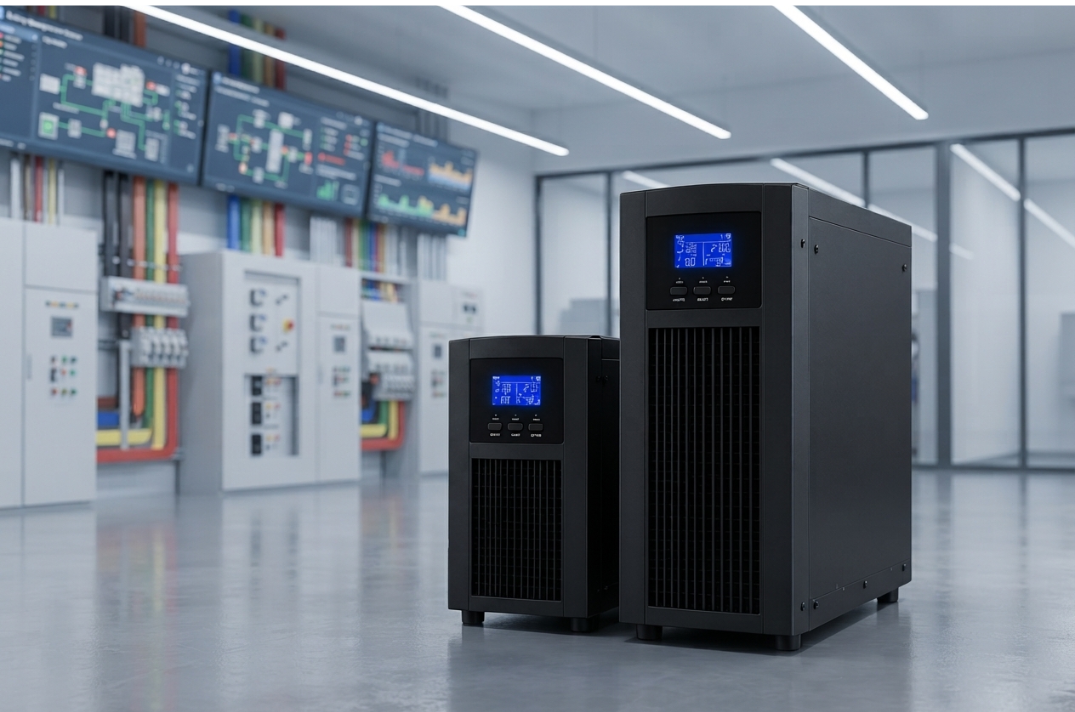
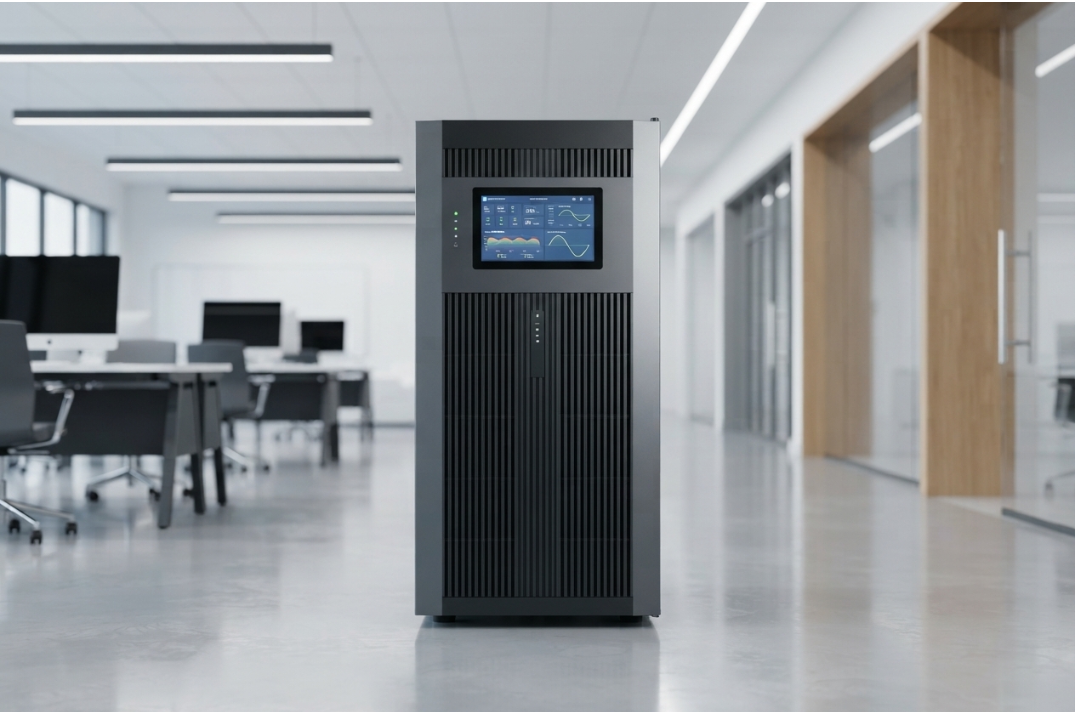
A three-phase online UPS is a power protection system designed to supply conditioned electricity to compatible connected equipment. In a double-conversion online UPS, incoming AC power is converted to DC and then converted back to AC. This helps isolate connected loads from many common input power disturbances.
Educational institutions may consider three-phase online UPS systems for server rooms, campus IT infrastructure, computer laboratories, digital learning systems, and other critical electronic loads. The right configuration depends on the equipment’s power demand, backup duration, and operational importance.
Institutions can explore three-phase online UPS solutions to understand the options available for different power requirements.
8 Ways a 3 Phase Online UPS Powers Education
1. Keeps Digital Classrooms Operational
Digital classrooms use computers, interactive displays, projectors, audio equipment, and other electronic tools to support teaching. A power interruption during a lecture can disrupt the lesson and interrupt access to digital learning materials.
A suitable UPS can maintain power to selected classroom technology during short outages. This helps teachers continue using supported devices while the power supply is restored or the equipment is shut down safely.
Institutions should identify which classroom systems require backup. They should also calculate the combined load before connecting multiple devices to a single UPS.
2. Protects Computer Laboratories
Computer laboratories support practical lessons, programming exercises, digital examinations, and technical training. Unexpected power loss can interrupt student work and cause unsaved files or incomplete tasks.
A properly configured three-phase online UPS can support critical computer laboratory equipment when the load and electrical arrangement are suitable. It provides battery-backed power during an outage and helps reduce disruptions caused by common input power disturbances.
For larger institutions, laboratory protection should be planned according to the number of computers, their power consumption, and the required backup time. Non-essential equipment should not be added without checking the available UPS capacity.
3. Supports Campus Servers and Digital Learning Platforms
Universities and colleges may operate servers that support student portals, learning management systems, attendance records, academic databases, and internal applications. These services help students and staff access essential information.
A UPS can help keep supported servers and storage systems operational during short power interruptions. This reduces the risk of unexpected shutdowns and provides time for a controlled response when an outage continues.
Institutions can explore data centre solutions when planning the infrastructure that supports academic applications and digital services.
However, power backup alone cannot guarantee uninterrupted access. Institutions should also maintain data backups, redundant systems, and tested disaster recovery procedures.
4. Improves Campus Network Reliability
Reliable connectivity allows students and faculty members to access online resources, collaborate on projects, and use digital platforms. Campus networks typically depend on switches, routers, firewalls, wireless access infrastructure, and other communication equipment.
A suitable online UPS can maintain power to compatible networking devices during an outage. This helps reduce interruptions to campus connectivity when the protected equipment has sufficient backup capacity.
Institutions can assess their networking and IT infrastructure requirements alongside their power protection needs.
Network devices should be prioritised according to their importance. For example, equipment serving core campus connectivity may require a different backup arrangement from devices in individual classrooms.
5. Protects Examination and Assessment Systems
Educational institutions increasingly use computers and digital platforms for online tests, computer-based examinations, assessment processing, and result management. Power interruptions during these activities can disrupt schedules and affect the examination process.
A three-phase online UPS can support compatible examination servers, network equipment, workstations, and other designated critical loads. It helps provide continuity during short outages and allows time for staff to follow established procedures.
Institutions should determine which systems are essential during examinations and calculate the required backup duration. They should also maintain contingency procedures for longer outages, including secure data handling and examination rescheduling where necessary.
6. Supports Research and Academic Computing
Research departments may depend on high-performance workstations, data processing systems, laboratory computers, and specialised electronic equipment. An unexpected power interruption can stop calculations, interrupt data collection, or delay research activities.
A properly sized UPS can protect selected research IT equipment and compatible electronic loads. This is particularly useful when a controlled shutdown takes time or when a brief interruption could disrupt an important computing task.
For larger research installations, institutions should assess power demand, equipment compatibility, redundancy, and runtime requirements before choosing a system. High-power scientific instruments and equipment with motors or heating elements may require separate engineering assessments.
7. Supports Campus Administration and Communication
Educational institutions rely on administrative systems for admissions, fee processing, student records, payroll, communication, and other essential functions. Power-related interruptions can delay these activities and affect access to important records.
A UPS can protect selected administrative servers, workstations, network devices, and communication equipment. This helps staff continue essential tasks during short power interruptions or complete a controlled shutdown if the outage continues.
Institutions can also assess IT infrastructure solutions when reviewing the systems that support campus administration and academic services.
The most effective approach is to prioritise critical applications rather than attempt to back up every device without considering capacity.
8. Supports Future Campus Technology Expansion
Educational institutions continue to introduce smart classrooms, additional computer laboratories, digital libraries, online services, and new research facilities. These developments can increase demand on existing power protection systems.
A three-phase online UPS can support future expansion when its capacity, battery runtime, and configuration match projected requirements. Some UPS systems also offer modular designs that allow capacity to increase in stages.
Institutions can evaluate the Easy UPS 3-Phase Modular 50–250 kW if its published specifications suit the intended application.
Before expanding a campus installation, facility teams should review current power consumption, future demand, redundancy targets, and available electrical capacity. This helps prevent the backup system from becoming undersized as technology requirements grow.
How to Choose the Right 3 Phase Online UPS for an Educational Institution
The right UPS depends on the systems that require protection and the consequences of a power interruption. Educational institutions should consider the following factors before making a selection.
- Critical load assessment: Identify the servers, network devices, laboratory systems, and classroom equipment that need backup.
- Power capacity: Calculate the actual power demand of the connected equipment and allow for suitable operating headroom.
- Backup duration: Determine how long critical systems must remain operational during an outage.
- Equipment compatibility: Check manufacturer recommendations, load characteristics, and electrical requirements.
- Redundancy: Decide whether essential services need additional capacity or a redundant UPS arrangement.
- Scalability: Account for future computer laboratories, digital classrooms, and research facilities.
- Monitoring: Review the availability of battery status, load information, alarms, and remote monitoring features.
- Installation environment: Consider ventilation, temperature, earthing, electrical distribution, and maintenance access.
- Service support: Assess commissioning, preventive maintenance, battery replacement, and technical support.
A three-phase UPS should not automatically be used to power an entire campus. Large loads such as lifts, chillers, pumps, air-conditioning equipment, and other motor-driven machinery require separate engineering assessments. Institutions should also confirm that emergency lighting, fire alarms, and other life-safety systems have backup arrangements that meet applicable requirements.
Why Educational Institutions Should Plan Power Backup Carefully
A UPS is one component of a wider campus continuity strategy. Its effectiveness depends on correct sizing, suitable installation, regular maintenance, and clear procedures for responding to outages.
Bansal Hi-Tech provides power and IT infrastructure-related solutions that educational institutions can assess against their requirements. Institutions can review the HPI 33 EVO 10–40 kW three-phase UPS and compare its published specifications with the critical loads they need to protect.
For projects with temporary or changing backup requirements, online UPS rental options may also be worth evaluating, subject to availability and technical suitability.
The final choice should reflect the institution’s power requirements, critical applications, required runtime, and future expansion plans.
Frequently Asked Questions
1. Why do educational institutions need a 3 Phase Online UPS?
Educational institutions may use a three-phase online UPS to protect critical servers, computer laboratories, campus networks, digital learning platforms, and selected research equipment. The appropriate system depends on the connected load and required backup duration.
2. Can a three-phase online UPS support computer laboratories?
Yes. It can support compatible computers and related equipment when the UPS is correctly sized. Institutions should calculate the combined load and determine which systems need backup during an outage.
3. Can a UPS keep online learning platforms running?
A UPS can help keep supported servers, storage systems, and networking devices operating during short power interruptions. Service continuity also depends on internet connectivity, redundant infrastructure, software resilience, and other systems.
4. How does a UPS help during digital examinations?
A UPS can maintain power to designated examination servers, workstations, and network devices. This helps reduce power-related interruptions, although institutions should still have contingency plans for longer outages.
5. How long can an educational institution’s UPS provide backup?
Runtime depends on battery capacity, connected load, battery condition, temperature, and system configuration. Institutions should calculate their requirements and confirm expected runtime using manufacturer data.
6. Is a three-phase online UPS suitable for a small school?
It may be suitable if the school’s critical load and electrical configuration justify a three-phase system. Smaller facilities may have other suitable options, so the decision should follow a load assessment and comparison of operating costs.
7. Does a UPS require regular maintenance in educational institutions?
Yes. Maintenance typically includes battery checks, alarm reviews, inspections, and functional testing according to the manufacturer’s recommendations. Planned maintenance helps identify potential issues before they cause interruptions.
Conclusion
A 3 Phase Online UPS can help educational institutions maintain access to critical digital services, protect computer laboratories, support research computing, and reduce power-related interruptions. It can also help campuses prepare for growing technology requirements.
The most suitable solution is one designed around actual equipment loads, required backup duration, and the importance of each supported service. With proper installation, maintenance, and contingency planning, educational institutions can strengthen power reliability across their essential digital infrastructure.