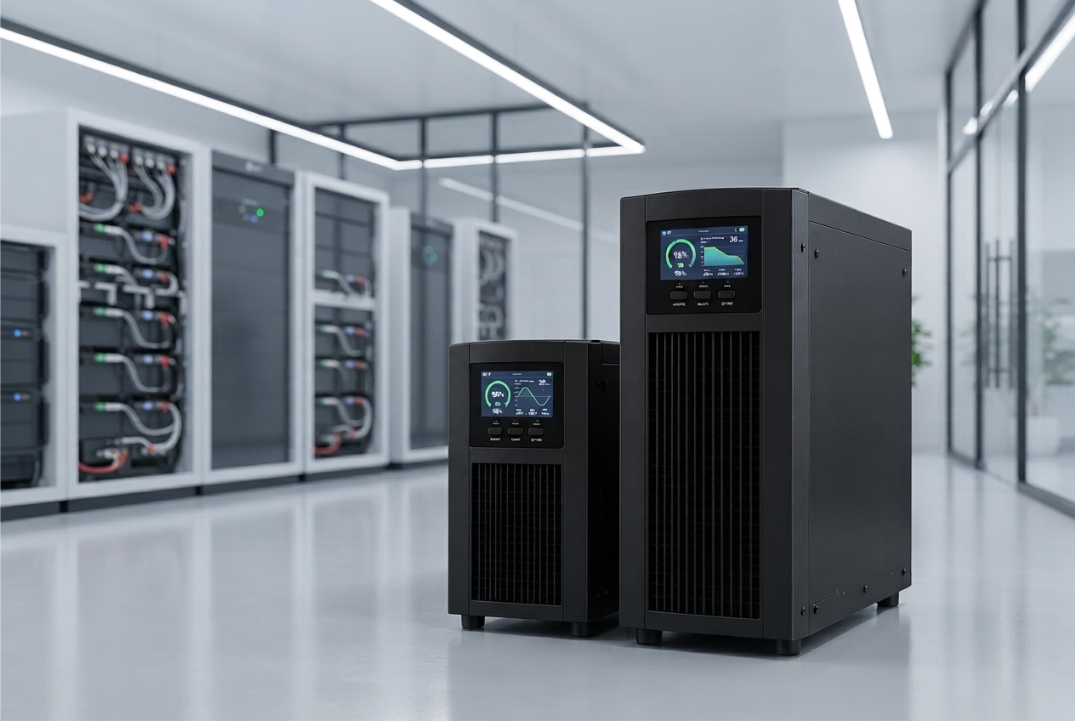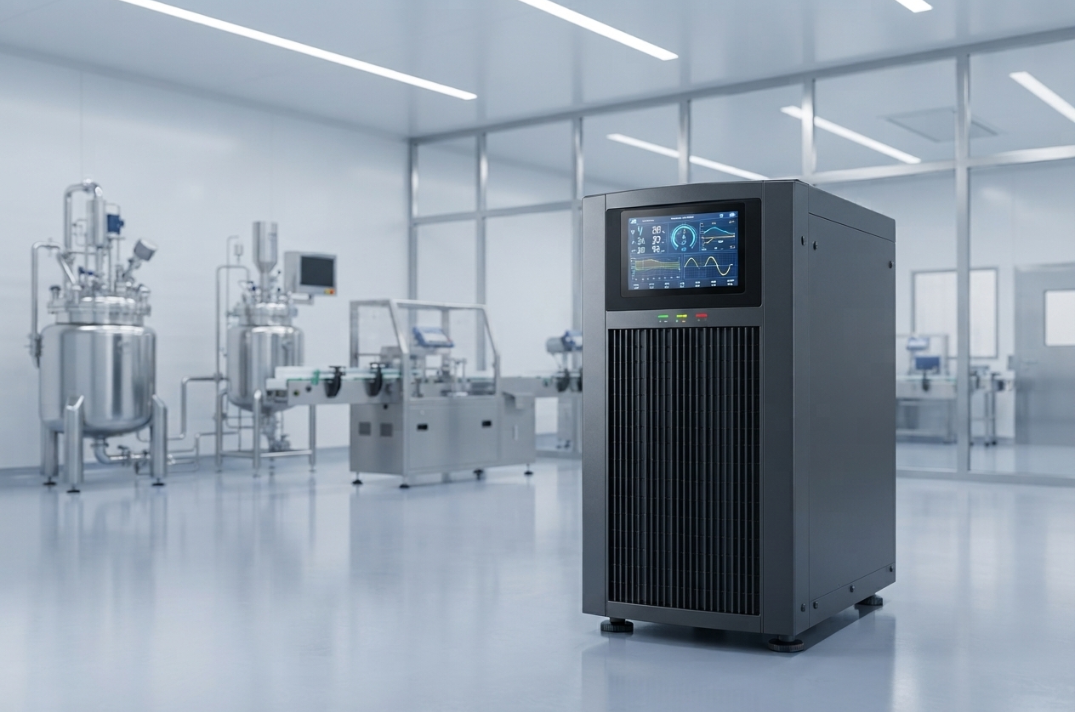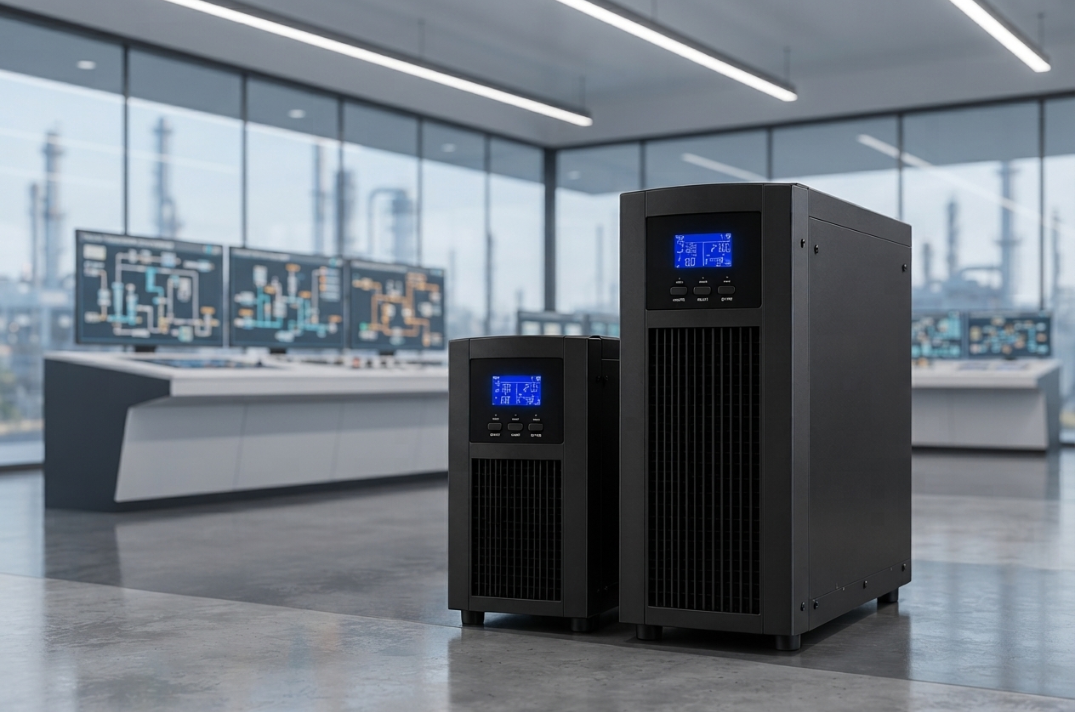

Research and development teams depend on accurate measurements, stable operating conditions, and reliable digital systems. Even a brief power interruption can disrupt experiments, interrupt testing, or affect valuable research data. A 3 Phase Online UPS for Research and Development helps protect selected critical equipment against power interruptions and electrical disturbances.
R&D environments vary widely. Pharmaceutical laboratories, engineering facilities, electronics testing centres, university research departments, and industrial laboratories may all have different power requirements. Therefore, organisations must assess their critical loads before selecting a suitable uninterruptible power supply (UPS).
Bansal Hi-Tech provides power protection and IT infrastructure solutions for organisations that need reliable support for essential equipment. With the right system design, research teams can reduce avoidable downtime and maintain greater continuity during electrical disturbances.
What Is a 3 Phase Online UPS for Research and Development?
A three-phase online UPS is a power protection system that supplies connected loads through a continuously operating conversion process. In a typical double-conversion design, incoming AC power is converted to DC and then converted back to AC. This process helps isolate supported equipment from many common power disturbances.
A 3 Phase Online UPS for Research and Development can be suitable for facilities with substantial electrical loads, three-phase equipment, or centralised critical infrastructure. However, the UPS must match the voltage, phase configuration, load profile, and power quality requirements of the connected equipment.
Organisations can explore three-phase online UPS solutions to understand the types of systems available for critical power applications.
Why Is Reliable Power Important in R&D Facilities?
Research projects often involve long experiments, precise measurements, complex instruments, and computer-based analysis. An unexpected outage can interrupt these activities and create additional work for researchers.
For example, a power interruption may stop an automated test, interrupt an instrument’s data capture, or shut down a workstation during analysis. Some experiments may need to be repeated if the interruption affects their validity.
Power protection can help reduce these risks. However, a UPS does not eliminate every operational hazard. Equipment compatibility, battery runtime, maintenance, environmental conditions, and shutdown procedures also influence overall reliability.
7 Key Applications of a 3 Phase Online UPS in Research and Development
1. Protecting Laboratory Instruments
Many laboratories use analytical instruments, measurement systems, and electronic testing equipment. These devices may require a stable supply of power to operate correctly.
A suitably specified UPS can support compatible instruments or their essential control electronics during short interruptions. Before connecting sensitive equipment, teams should confirm the manufacturer’s requirements, input characteristics, and permitted power quality range.
The HPI 33 EVO 10–40 kW three-phase UPS is one product range organisations can evaluate when assessing their power protection requirements. Final selection should depend on verified specifications and a site-specific load assessment.
2. Supporting Research Data Acquisition
Data acquisition systems collect information from sensors, instruments, and test environments. A sudden loss of power can interrupt collection and leave researchers with incomplete datasets.
A UPS can provide temporary power to supported data acquisition computers, controllers, and communication equipment. This allows systems to continue operating during brief disturbances or complete an orderly shutdown when an outage lasts longer than the available battery runtime.
Researchers should also use appropriate data-saving procedures and backup systems. A UPS supports continuity, but it does not replace data protection or storage redundancy.
3. Maintaining Engineering and Simulation Workstations
Engineering teams use high-performance workstations for modelling, computer-aided design, simulations, and technical analysis. These systems may run demanding tasks for hours or even days.
An abrupt shutdown can interrupt calculations and cause unsaved work to be lost. A properly sized UPS can help keep selected workstations and related networking equipment operational for a limited period.
Facilities should calculate the actual power demand of their workstations, monitors, storage devices, and network components. High-performance computers can have substantial load variations, so sizing should account for realistic operating conditions rather than nominal ratings alone.
4. Supporting Electronics Testing and Prototyping
Electronics R&D facilities often use test benches, embedded-system development tools, communication interfaces, and prototype control systems. Some of these devices are sensitive to interruptions or changes in power quality.
A UPS may support compatible control computers, test management systems, and low-power electronic equipment. However, not every laboratory instrument should be connected directly to a general-purpose UPS. Devices with specialised power supplies, high inrush currents, or strict manufacturer requirements need a compatibility assessment.
For facilities planning their wider technical environment, IT infrastructure solutions can provide a starting point for evaluating related infrastructure needs.
5. Protecting Research Servers and Storage Systems
Research organisations increasingly depend on servers to store datasets, run applications, manage experiments, and share resources across departments. An outage can interrupt access to these services and potentially affect active workloads.
A UPS can help protect supported servers, network switches, storage equipment, and management systems. When battery runtime is limited, automatic shutdown software can help administrators close services in an orderly manner.
Organisations with dedicated server rooms can also review data centre solutions when planning power protection alongside cooling, monitoring, and infrastructure requirements.
6. Supporting Environmental Monitoring and Facility Controls
Some laboratories monitor temperature, humidity, ventilation status, alarms, and other environmental conditions. Power loss affecting the relevant sensors or control systems may reduce visibility into laboratory conditions.
A properly engineered UPS can support selected monitoring devices, communication gateways, and control electronics. This can help preserve monitoring during an interruption, provided that the sensors, controllers, and connected systems are all included in the protected load.
Importantly, powering monitoring electronics does not mean the UPS can operate large HVAC systems, laboratory exhaust equipment, or other high-power facility loads. Those systems require separate electrical and engineering assessments.
7. Maintaining Communication and Research Collaboration
R&D teams often rely on network access, internal applications, video meetings, and shared digital resources. Power interruptions affecting switches, routers, or local IT equipment can disrupt communication between researchers and external partners.
A UPS can support selected network devices and communication equipment. This can help maintain access to essential digital services during short power interruptions, assuming the wider network and internet connection remain available.
Organisations can review networking and IT infrastructure to assess related requirements for their research environment.
Key Benefits of a 3 Phase Online UPS for Research and Development
A correctly selected system can provide several operational benefits.
- Reduced interruption risk: Supported equipment can continue running during brief power disturbances.
- Improved data continuity: Research computers and data acquisition systems can remain active long enough to save work or shut down safely.
- Better power quality: Online double-conversion technology can help protect compatible loads from many common input-power disturbances.
- Support for critical workflows: Essential IT systems and control electronics may remain operational during short outages.
- Flexible capacity planning: Organisations can select a suitable system based on their actual load and expansion requirements.
- Improved operational planning: Monitoring, maintenance, and shutdown procedures can be integrated into the facility’s power protection strategy.
These benefits depend on system design, battery condition, load compatibility, and maintenance. A UPS should form part of a broader continuity plan rather than act as the only safeguard.
How to Choose the Right Three-Phase UPS for an R&D Facility
Selecting a UPS requires more than estimating the total wattage of laboratory equipment. Organisations should examine the load characteristics and operational priorities of each protected system.
Calculate the Critical Load
First, identify the equipment that must remain operational during an outage. Separate essential systems from loads that can safely shut down.
Calculate the combined real power demand and apparent power demand. The UPS must support both its rated kW and kVA limits, as applicable. Include suitable headroom for expected load changes and future requirements.
Confirm Equipment Compatibility
Review the input voltage, phase configuration, frequency, power factor, inrush current, and power quality requirements of each connected device. Check the manufacturer’s guidance before connecting sensitive or specialised laboratory equipment.
Estimate Required Battery Runtime
Determine how long the protected systems must remain operational. Some facilities only need enough time for an orderly shutdown. Others may require longer backup to complete a critical process.
Runtime depends on the actual load, battery configuration, battery age, temperature, and UPS operating conditions. Confirm the expected runtime using manufacturer data or a qualified sizing assessment.
Evaluate Redundancy and Expansion
Research facilities may need redundancy for particularly important workloads. Depending on the design, organisations can evaluate parallel UPS configurations, bypass arrangements, and maintenance procedures.
For larger critical loads, the Keor HPE 60–500 kW three-phase UPS range may be worth assessing against verified product specifications and the facility’s requirements.
Plan Maintenance and Monitoring
Battery testing, preventive maintenance, alarm monitoring, and periodic load reviews help maintain system readiness. Organisations should also define who responds to alarms and how equipment will shut down when an outage exceeds available runtime.
For facilities that need temporary power protection or want to evaluate requirements before a purchase, online UPS rental options may be worth considering, subject to availability and suitability.
Three-Phase UPS vs. Standard Power Backup for R&D
The right configuration depends on the scale and nature of the protected load.
| Consideration | Three-phase online UPS | Smaller single-phase UPS |
|---|---|---|
| Typical use | Larger critical loads or three-phase infrastructure | Individual computers and smaller compatible devices |
| Capacity planning | Often suited to centralised power protection | Usually suited to local equipment protection |
| Load configuration | Depends on the UPS model and connected distribution | Depends on the model and connected equipment |
| Common R&D applications | Selected server-room systems, central IT loads, and compatible critical equipment | Workstations, small network devices, and individual instruments where compatible |
| Selection priority | Total load, phase configuration, redundancy, and runtime | Device load, runtime, and equipment compatibility |
Neither configuration is automatically better for every laboratory. A smaller UPS may be sufficient for an individual workstation, while a larger three-phase system may suit a centralised critical load. A qualified assessment should determine the appropriate arrangement.
Why Consider Bansal Hi-Tech for R&D Power Protection?
Research facilities need solutions that reflect their equipment, power demand, and continuity priorities. Bansal Hi-Tech offers power-related products and IT infrastructure services that organisations can evaluate when planning their requirements.
A practical assessment should identify critical loads, determine the necessary runtime, verify product specifications, and consider maintenance support. It should also distinguish between equipment that needs uninterrupted power and high-power facility systems that require separate electrical designs.
Organisations can explore online UPS systems and three-phase online UPS options as part of their initial evaluation. Product suitability, availability, and service arrangements should be confirmed directly with the supplier.
Frequently Asked Questions
1. Why does an R&D laboratory need a UPS?
A UPS can protect selected critical equipment against power interruptions and common electrical disturbances. It can also provide time to save research data or shut down supported systems safely.
2. Is a three-phase online UPS suitable for every laboratory?
No. The correct choice depends on the connected equipment, total load, phase requirements, power quality needs, and required runtime. Some laboratories may only need smaller single-phase systems for individual devices.
3. Can a UPS protect sensitive laboratory instruments?
It can protect compatible instruments or their essential electronics when the UPS meets the manufacturer’s power requirements. Specialised equipment should be checked for input characteristics, inrush current, and other compatibility requirements before connection.
4. How long can a three-phase UPS provide backup power?
There is no single runtime for every system. Backup duration depends on the UPS model, battery configuration, connected load, battery condition, and operating environment. Runtime should be confirmed for the actual installation.
5. Can a UPS prevent research data loss?
A UPS can reduce the risk of data loss caused by sudden power failure by keeping supported systems running temporarily. However, it cannot replace regular backups, data replication, or appropriate software safeguards.
6. Can one UPS power an entire R&D facility?
Not necessarily. A UPS should be sized for its intended loads. Large HVAC systems, high-power testing equipment, production machinery, and other substantial loads require separate engineering assessment and may need dedicated power arrangements.
7. What should organisations check before purchasing a UPS?
They should assess critical load, kW and kVA requirements, phase configuration, equipment compatibility, runtime, redundancy, battery maintenance, and future expansion. Product specifications and installation requirements should be verified before a final decision.
Conclusion
A 3 Phase Online UPS for Research and Development can help protect selected laboratory instruments, research data systems, engineering workstations, servers, and facility monitoring electronics from power interruptions. The key is to match the UPS to the actual load and the operational importance of each connected system.
By assessing power requirements, battery runtime, equipment compatibility, and maintenance needs, research organisations can build a more dependable power protection strategy. Bansal Hi-Tech can be considered as part of the initial evaluation of UPS and IT infrastructure options, with final selection based on verified specifications and site requirements.