The textile industry depends on continuous production, automated machinery, precision control, and reliable electrical infrastructure. From spinning and weaving to dyeing, processing, printing, finishing, and quality inspection, modern textile facilities use a combination of industrial machines, electronic controls, sensors, automation systems, communication networks, and IT infrastructure.
Even a short power interruption can affect production schedules, process controls, machine settings, data systems, and quality monitoring. In highly automated textile facilities, unstable electrical power can also create operational challenges when sensitive electronic equipment is involved.
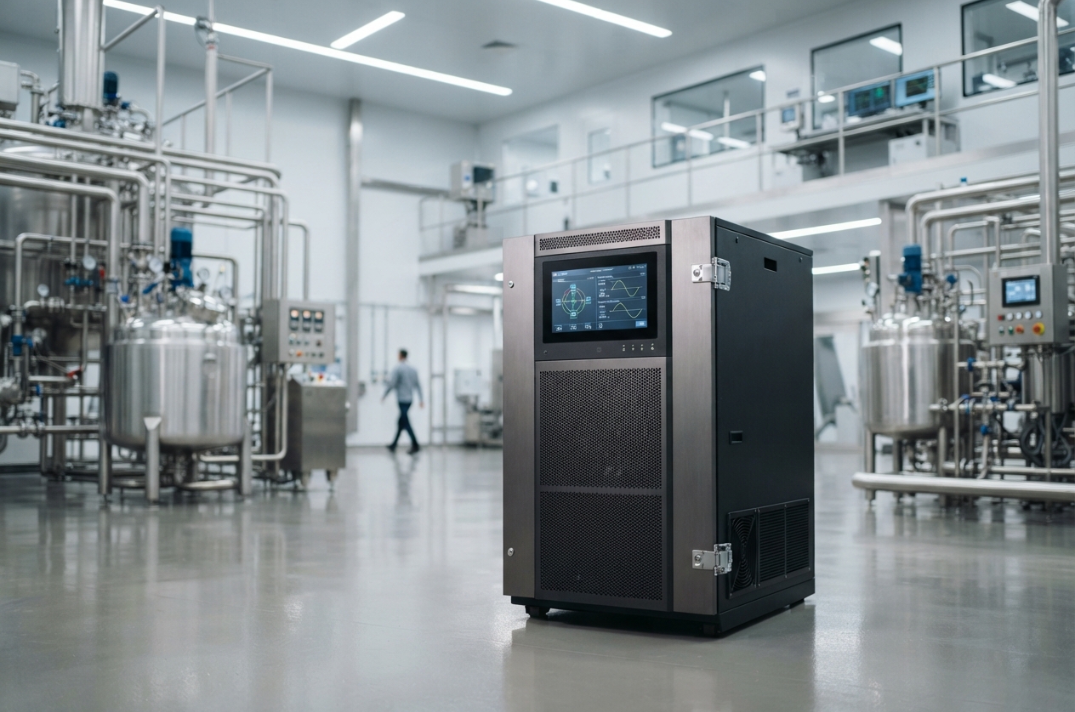
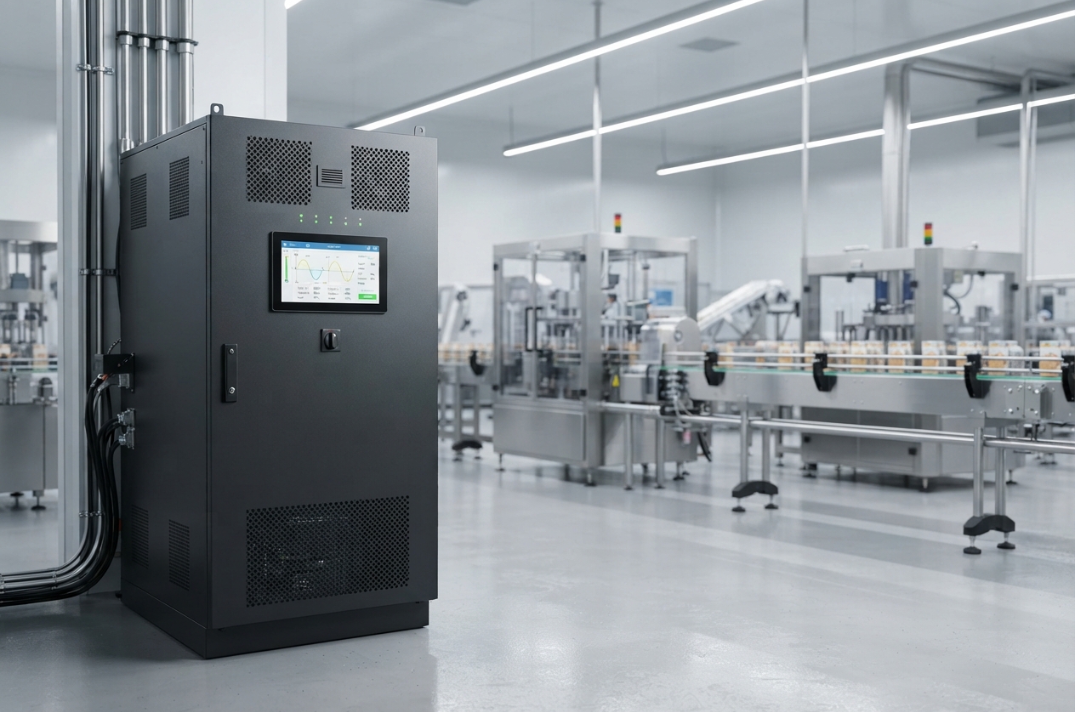
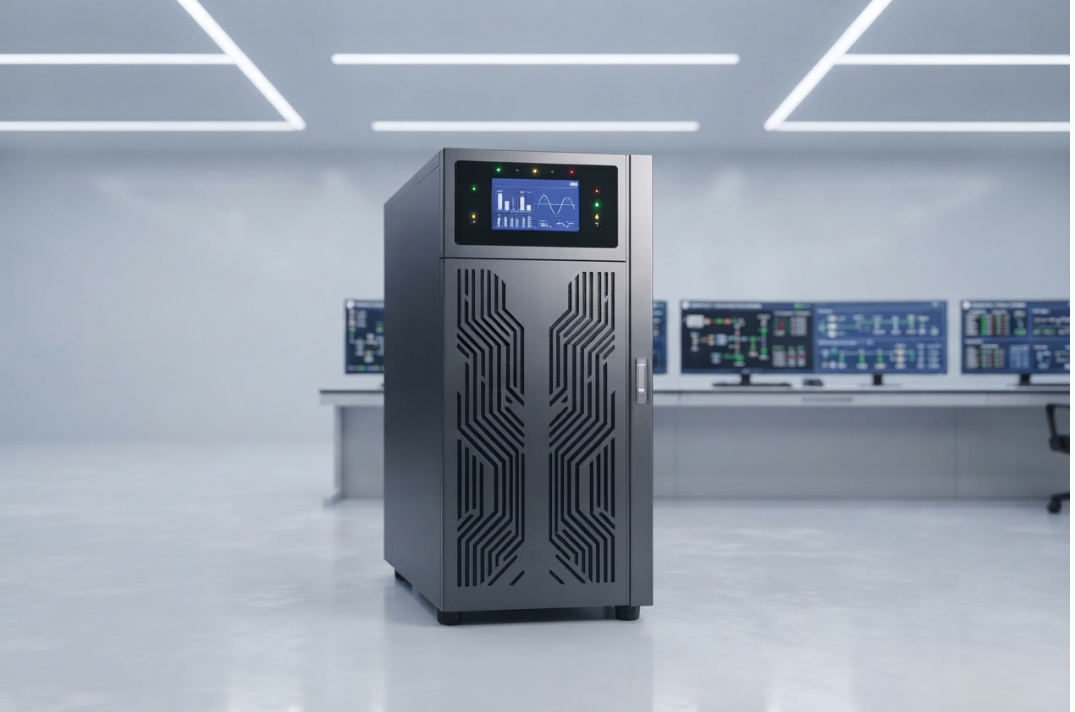
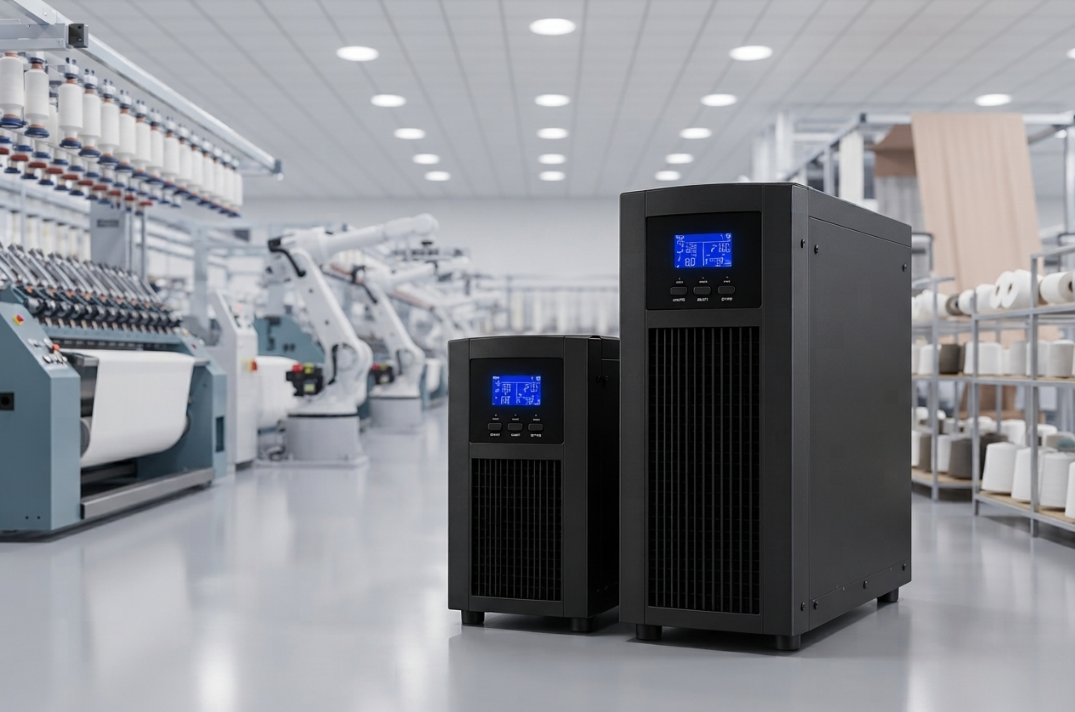
This is where a 3 Phase Online UPS for Textile Industry can become an important part of the facility’s power protection strategy.
A three-phase online UPS can provide continuously regulated power to selected critical loads and support them during utility interruptions. It can be used for automation systems, control equipment, monitoring devices, networking infrastructure, servers, laboratory equipment, and other critical electronic loads.
This article explains how a three-phase online UPS supports textile manufacturing, where it can be used, what benefits it offers, and what textile businesses should consider before selecting a system.
Why Reliable Power Matters in the Textile Industry
Textile manufacturing involves several interconnected production stages. A disruption in one part of the process can affect subsequent operations.
Depending on the facility, production may involve:
- Spinning
- Winding
- Warping
- Weaving
- Knitting
- Dyeing
- Printing
- Washing
- Drying
- Finishing
- Quality inspection
- Packaging
Modern machinery increasingly depends on electronic controls and automated systems.
A power interruption affecting these systems can stop production, interrupt machine communication, affect process monitoring, or require operators to restart equipment.
Power-quality problems can also affect sensitive electronic components.
Common disturbances include:
- Voltage sags
- Voltage surges
- Short interruptions
- Frequency variations
- Electrical noise
- Switching transients
- Phase imbalance
A properly designed online UPS system can help protect selected critical loads from these electrical disturbances.
What Is a 3 Phase Online UPS?
A three-phase online UPS is designed to provide protected and continuously regulated electrical power to critical three-phase loads and associated equipment.
In an online UPS architecture, incoming electrical power passes through the UPS power-conversion stages before being delivered to the protected load. If the utility supply fails or becomes unsuitable, stored battery energy can continue supplying the connected critical equipment.
The basic power path can be represented as:
Utility Supply → UPS Power Conversion → Regulated Output → Critical Load
During an interruption:
Utility Failure → Battery Support → Regulated Output → Critical Load
This arrangement can provide a high level of power continuity for sensitive equipment.
Textile facilities with larger electrical requirements can evaluate dedicated three-phase online UPS solutions based on their load capacity, runtime, redundancy, scalability, and installation requirements.
How a 3 Phase Online UPS Supports the Textile Industry
1. Helps Maintain Production Continuity
Textile manufacturing often depends on continuous production cycles.
A sudden interruption can affect machine controllers, monitoring systems, production data, and automated sequences.
A UPS can support selected critical electronic loads during short-duration electrical interruptions. This can help reduce unnecessary disruptions and give operators time to respond to the electrical event.
However, the UPS capacity should be matched to the specific critical loads. It should not automatically be assumed that every high-power textile machine needs to be connected to the UPS.
2. Supports Automated Textile Machinery
Modern textile machinery can include electronic control systems that manage speed, tension, temperature, timing, pressure, and other operating parameters.
These systems may be particularly sensitive to sudden power interruptions.
A three-phase online UPS can support critical control electronics and associated systems, helping maintain their operation during disturbances.
This is especially useful where automated machinery forms an important part of the production workflow.
3. Protects Control Systems
Textile plants may use programmable controllers, industrial computers, operator interfaces, and other control equipment.
These systems coordinate different stages of production and allow operators to monitor machine performance.
If power to the control layer is interrupted, the machinery may stop or require manual intervention.
UPS protection can help maintain electrical continuity for selected control systems and reduce the operational impact of short interruptions.
4. Supports Sensors and Instrumentation
Textile production relies on monitoring various operating conditions.
Depending on the process, sensors may monitor:
- Temperature
- Humidity
- Speed
- Tension
- Pressure
- Flow
- Moisture
- Material position
Accurate monitoring helps maintain process consistency.
A power interruption can temporarily disable sensors or the electronic systems collecting their data.
A UPS can support critical instrumentation and monitoring equipment so that these systems remain available during power disturbances.
5. Helps Maintain Product Quality
Power stability can indirectly influence product quality by supporting the systems responsible for process control and monitoring.
For example, dyeing and finishing operations may require carefully controlled process parameters. If electronic control or monitoring equipment loses power unexpectedly, the process may be interrupted.
Maintaining power to critical control and monitoring systems can help operators respond more effectively to electrical disturbances.
A UPS does not itself guarantee product quality, but it can support the electrical continuity of systems involved in maintaining consistent production conditions.
6. Supports Spinning Operations
Spinning operations involve machines that process fibres into yarn through multiple controlled stages.
Modern spinning machinery can contain electronic control systems, sensors, drives, monitoring equipment, and communication interfaces.
A power disturbance can affect these systems and potentially interrupt production.
A UPS can be used to support selected critical electronics and control infrastructure associated with spinning operations.
The actual electrical loads protected should be determined through a detailed engineering assessment.
7. Supports Weaving and Knitting Operations
Weaving and knitting machines rely on precise mechanical and electronic coordination.
Electronic controls can manage machine timing, monitoring, speed, and other parameters.
A stable power supply can therefore be important for the control layer of these machines.
A three-phase online UPS can provide protected power to critical control equipment where required, helping reduce the effects of short electrical disturbances.
8. Supports Dyeing and Processing Operations
Dyeing and textile processing can involve carefully controlled combinations of temperature, chemical dosing, timing, pressure, and flow.
Electronic monitoring and control systems help operators maintain these parameters.
If these systems lose power unexpectedly, the production process may be interrupted.
UPS protection can support the control and monitoring infrastructure while the facility manages the wider electrical event.
9. Protects Printing and Finishing Systems
Textile printing and finishing processes may use automated equipment and electronic control systems.
Printing accuracy and finishing consistency can depend on coordinated operation of machinery and monitoring systems.
A reliable electrical supply to critical control equipment can help reduce disruptions caused by short-duration power events.
10. Supports Textile Quality-Control Laboratories
Large textile manufacturers may operate quality-control laboratories to test materials and finished products.
Testing can involve:
- Fabric strength
- Colour consistency
- Shrinkage
- Moisture
- GSM
- Chemical properties
- Dimensional stability
Laboratory equipment and associated computer systems can require reliable power.
A UPS can protect selected laboratory equipment and digital systems from power interruptions, depending on their electrical specifications.
11. Supports Industrial Networking
Modern textile plants increasingly depend on communication networks to connect machines, controllers, monitoring systems, servers, and operator workstations.
Network switches, communication equipment, and other infrastructure can lose connectivity during a power interruption.
Bansal Hi-Tech’s networking and IT infrastructure solutions can be considered as part of a broader technology infrastructure strategy for facilities that depend heavily on industrial and business networks.
UPS protection can help keep selected networking equipment operational during power disturbances.
12. Protects Servers and Production Data
Textile manufacturers may use digital systems for:
- Production planning
- Inventory management
- Order processing
- Machine monitoring
- Quality records
- Enterprise applications
- Maintenance management
- Production analytics
These systems depend on servers, storage, networking equipment, and other IT infrastructure.
Power protection can help reduce interruptions to these systems.
For organisations operating dedicated computing environments, data centre solutions can complement the overall power and infrastructure strategy.
13. Supports ERP and Manufacturing Systems
Enterprise resource planning and manufacturing software can connect production operations with procurement, inventory, sales, finance, and logistics.
An unexpected power interruption can affect servers and network infrastructure supporting these applications.
A UPS can help maintain power to selected IT equipment and reduce the risk of abrupt system shutdowns.
This is particularly important when production and business operations depend on shared digital infrastructure.
14. Helps During Generator Start-Up
Many textile factories use generators as part of their backup power infrastructure.
However, a generator does not instantly provide stable power after a utility failure.
A UPS can provide immediate support to selected critical loads while the generator starts and stabilises.
The sequence can be:
Utility Failure → UPS Battery Support → Generator Starts → Generator Stabilises → Backup Supply Continues
This allows the UPS and generator to perform complementary roles.
Proper coordination between the UPS, generator, electrical distribution system, and protected loads is essential.
15. Supports Central Control Rooms
Large textile manufacturing facilities may have central control rooms where operators monitor production and equipment.
These rooms may contain:
- Operator workstations
- Industrial computers
- Control panels
- Communication equipment
- Monitoring displays
- Networking devices
- Alarm systems
A power interruption affecting the control room can reduce operational visibility.
UPS protection can help keep selected control-room equipment available during electrical disturbances.
Applications of 3 Phase Online UPS in Textile Manufacturing
A three-phase online UPS can support several areas of a textile facility.
Spinning Mills
Critical automation, control systems, monitoring equipment, and networking infrastructure can receive protected power.
Weaving Units
Electronic controls and monitoring systems can benefit from stable electrical power.
Knitting Facilities
UPS systems can support critical control and communication equipment.
Dyeing Plants
Process control and monitoring systems can be protected against selected power disturbances.
Textile Printing Units
Control electronics and digital systems can receive reliable power.
Processing and Finishing Units
Critical instrumentation and automated control systems can be supported.
Textile Laboratories
Testing equipment and laboratory computing infrastructure can receive UPS protection where appropriate.
Warehouses
Critical networking, security, monitoring, and IT equipment can be protected according to the facility’s requirements.
Choosing the Right 3 Phase Online UPS for a Textile Facility
Selecting a UPS should begin with a detailed understanding of the facility’s critical electrical loads.
1. Identify Critical Equipment
First, determine which equipment must remain operational during a power interruption.
This may include:
- PLCs
- Industrial computers
- Control panels
- Monitoring systems
- Networking equipment
- Servers
- Communication systems
- Laboratory equipment
- Critical automation electronics
Large motors and other high-power machinery may require a different backup strategy depending on their electrical characteristics and importance to the production process.
2. Calculate the Required Capacity
UPS sizing should consider:
- kW load
- kVA requirement
- Power factor
- Peak demand
- Load growth
- Non-linear loads
- Equipment characteristics
Under-sizing can cause overload conditions, while excessive over-sizing can increase capital and operating costs.
3. Determine Battery Runtime
The required battery runtime depends on the purpose of the UPS.
A textile facility may need only enough runtime to bridge generator start-up, while another application may require longer autonomy.
The runtime should therefore be calculated from the actual critical load and operational requirements.
4. Consider Redundancy
Critical textile operations may require additional resilience.
Depending on the facility, businesses can evaluate:
- N+1 configurations
- Parallel UPS systems
- Modular architectures
- Dual power paths
For higher-capacity applications, the Keor HPE 60–500 kW three-phase UPS can be evaluated according to the facility’s load requirements and electrical architecture.
5. Plan for Future Expansion
Textile manufacturers may add production lines, automation equipment, servers, and monitoring systems over time.
UPS capacity should therefore be planned with realistic future requirements in mind.
A scalable architecture can make future expansion easier.
Important UPS Specifications for Textile Facilities
Before selecting a UPS, evaluate:
- Rated kW
- Rated kVA
- Input voltage
- Output voltage
- Frequency
- Battery capacity
- Backup runtime
- Efficiency
- Overload capability
- Bypass arrangements
- Communication interfaces
- Monitoring functions
- Operating temperature
- Installation requirements
- Maintenance requirements
The UPS must match the electrical characteristics of the protected equipment.
Why UPS Efficiency Matters in Textile Manufacturing
Textile facilities can operate for long production hours.
As a result, UPS efficiency can influence energy consumption and operating costs over the system’s service life.
Higher efficiency can also reduce heat generated by the UPS, which may help lower the cooling requirement in the equipment room.
However, efficiency should not be considered in isolation.
Reliability, redundancy, maintainability, capacity, battery performance, and total cost of ownership should also be evaluated.
Environmental Conditions in Textile Facilities
Textile manufacturing environments can contain significant amounts of fibre, dust, lint, humidity, heat, and other airborne particles depending on the production area.
Electrical equipment should therefore be installed in an environment appropriate for its specifications.
UPS systems are generally better located in suitably controlled electrical or equipment rooms rather than directly inside areas with high levels of dust, fibre, moisture, or process contamination.
Important installation considerations include:
- Temperature
- Ventilation
- Humidity
- Cleanliness
- Airflow
- Equipment clearance
- Battery-room requirements
- Electrical protection
Following the manufacturer’s installation requirements is essential for reliable operation.
UPS Maintenance for Textile Facilities
Regular maintenance helps maintain UPS availability and battery performance.
A maintenance programme can include:
- Visual inspections
- Battery health checks
- Electrical connection checks
- Cooling-system inspection
- Alarm verification
- Load testing
- Battery monitoring
- Bypass testing
- Communication-system checks
- Performance assessment
Battery condition is especially important because battery degradation can reduce the available backup runtime.
Maintenance intervals should follow the manufacturer’s recommendations and the facility’s operating conditions.
3 Phase Online UPS and Textile Industry Business Continuity
Textile manufacturing depends on coordinated production stages.
A power disturbance can create a chain reaction:
Power Disturbance → Control-System Interruption → Production Disruption → Quality Risk → Downtime
A properly designed UPS can help reduce the impact of short-duration electrical disturbances on critical systems.
However, a UPS is only one component of business continuity.
A complete strategy may also involve:
- Generator backup
- Electrical distribution protection
- Surge protection
- Proper earthing
- Redundant systems
- Preventive maintenance
- Remote monitoring
- Emergency procedures
- Spare equipment
- Disaster-recovery planning
Benefits of a 3 Phase Online UPS for the Textile Industry
A properly designed three-phase online UPS can provide several benefits:
- Improved power continuity
- Protection for sensitive electronic equipment
- Support for automation systems
- Protection of control infrastructure
- Support for industrial networking
- Protection for servers and production data
- Improved resilience during utility interruptions
- Immediate battery-backed support
- Compatibility with generator-backed systems
- Support for quality-control infrastructure
- Scalable power protection
- Reduced risk of power-related operational disruption
The actual benefit depends on correct system sizing, installation, configuration, and maintenance.
Three-Phase UPS Options for Textile Facilities
Textile facilities have different power requirements depending on their production scale and automation level.
A smaller processing unit may need a relatively modest UPS capacity, while a large integrated textile manufacturing facility may require a high-capacity or redundant architecture.
For applications within the relevant capacity range, the HPI 33 EVO 10–40 kW three-phase UPS can be evaluated based on the facility’s critical load.
For medium-capacity requirements, the Keor T Evo 15–60 kVA three-phase UPS can be considered where its specifications match the application.
The final selection should always be based on an electrical load study rather than simply choosing the highest available capacity.
Modular UPS for Expanding Textile Facilities
Textile companies may expand production capacity over time.
New machines, automation systems, servers, communication equipment, and monitoring systems can increase the critical electrical load.
A modular UPS can provide flexibility when future capacity expansion is expected.
The Easy UPS 3-Phase Modular 50–250 kW can be evaluated for applications where its capacity, architecture, and technical specifications are appropriate.
Modular designs can also provide additional flexibility for capacity planning and maintenance.
Higher-Capacity UPS Requirements
Large integrated textile facilities can have substantial critical electrical loads.
When evaluating higher-capacity UPS systems, consider:
- Critical load
- Required autonomy
- Redundancy
- Future expansion
- Available installation space
- Electrical distribution
- Maintenance strategy
The Galaxy VS 20–150 kW UPS can be evaluated for applications where its electrical specifications and capacity match the facility’s requirements.
Temporary UPS Requirements During Textile Projects
Textile manufacturers may require temporary power protection during:
- Plant expansion
- Machine installation
- Commissioning
- Electrical maintenance
- Infrastructure upgrades
- Production-line modifications
In such situations, online UPS rental services can be considered when temporary capacity is more practical than a permanent installation.
The rental system should still be correctly sized and installed according to the temporary site’s electrical requirements.
Building a Complete Power Protection Strategy
A three-phase UPS should be viewed as one part of the textile facility’s overall electrical resilience strategy.
A complete approach may include:
- Utility power
- UPS systems
- Generator backup
- Electrical distribution
- Surge protection
- Earthing
- Monitoring
- Battery management
- Preventive maintenance
- Redundancy
For businesses with significant technology infrastructure, Bansal Hi-Tech’s IT infrastructure solutions can complement the power protection requirements of the organisation.
The objective is not simply to provide backup power. It is to create an electrical infrastructure that supports reliable production and critical digital systems.
Why Choose Bansal Hi-Tech for UPS Solutions?
Selecting a UPS for a textile facility requires consideration of more than the equipment’s price.
Businesses should evaluate:
- Technical specifications
- Load capacity
- Runtime
- Scalability
- Redundancy
- Installation
- Maintenance
- Service support
- Future requirements
Bansal Hi-Tech provides UPS and infrastructure solutions for organisations that require reliable power protection and technology infrastructure.
Its range of three-phase UPS systems allows textile manufacturers to evaluate different capacity levels according to their applications.
For businesses operating in the NCR region, Bansal Hi-Tech also provides three-phase online UPS solutions in Gurgaon.
The final selection should be based on a detailed assessment of the textile facility’s critical loads, operating conditions, backup requirements, and future expansion plans.
What Should Textile Companies Check Before Buying a 3 Phase Online UPS?
Before purchasing a UPS, textile manufacturers should consider:
1. Critical Loads
Identify the equipment that genuinely requires continuous power.
2. Capacity
Calculate the required kW and kVA based on actual connected loads.
3. Battery Runtime
Determine how long critical systems must remain operational.
4. Power Quality
Assess the electrical disturbances experienced at the facility.
5. Redundancy
Determine whether the application requires N+1 or another redundant configuration.
6. Environment
Consider textile dust, lint, humidity, temperature, and equipment-room conditions.
7. Future Expansion
Account for expected increases in automation and electrical demand.
8. Generator Integration
Ensure compatibility between the UPS and the facility’s generator system.
9. Maintenance
Plan regular UPS and battery maintenance.
10. Technical Support
Evaluate installation, commissioning, servicing, troubleshooting, and spare-parts support.
Frequently Asked Questions
Is a 3 Phase Online UPS suitable for textile manufacturing?
Yes. A three-phase online UPS can be suitable for protecting critical control, automation, monitoring, networking, IT, and laboratory equipment in textile facilities.
Can a UPS run an entire textile factory?
Not necessarily. Textile factories can contain large motors, production machines, heating systems, compressors, and other high-power equipment. UPS systems are often applied selectively to critical electronic and control loads based on the facility’s requirements.
Why is power quality important in textile manufacturing?
Modern textile production relies heavily on electronic controls, sensors, automation, and monitoring systems. Electrical disturbances can interrupt these systems and affect production continuity.
How long does a textile UPS provide backup power?
Backup runtime depends on the critical load, battery capacity, UPS configuration, battery condition, and required operating conditions. The runtime should be calculated for the specific installation.
Can a three-phase UPS work with a generator?
Yes. A properly engineered UPS can work alongside a generator. The UPS can provide immediate support while the generator starts and stabilises.
Does every textile unit need a three-phase UPS?
No. The requirement depends on the facility’s electrical architecture, critical loads, automation level, power-quality conditions, and continuity requirements.
Final Thoughts
Reliable power is increasingly important in modern textile manufacturing.
Spinning, weaving, knitting, dyeing, printing, finishing, quality control, and digital production systems can all depend on electronic controls and monitoring infrastructure. An unexpected power disturbance can therefore affect more than a single machine; it can interrupt coordinated production and digital operations.
A 3 Phase Online UPS for Textile Industry can provide an important layer of power continuity for critical systems. It can support automation, control equipment, instrumentation, networking, servers, laboratory systems, and other sensitive electronic loads.
However, the right UPS should never be selected simply by comparing capacity or price. Load requirements, battery runtime, redundancy, environmental conditions, power quality, generator compatibility, scalability, maintenance, and technical support should all be considered.
For textile manufacturers, the best approach is to identify the systems that are genuinely critical and design the UPS architecture around those requirements.
With proper engineering, installation, and maintenance, a three-phase online UPS can become an important part of a resilient textile manufacturing infrastructure and help minimise the operational impact of power-related disturbances.